
Blog Post
MLB Lockout Watch: The Labor Dispute Explained for Orioles Fans
LOCKOUT WATCH · ANALYSIS
The fight over baseball’s next labor agreement reaches beyond payroll headlines. For Orioles fans, the stakes include roster building, player retention and the shape of the offseason.
Why Baltimore should pay attention
Baseball’s labor negotiations can seem distant from the daily questions about who pitches, who plays and who stays. In practice, the rules governing compensation and roster building shape those decisions.
For the Orioles, a new agreement could influence the environment in which the club competes for talent. Understanding the disagreement is more useful than assuming either side’s preferred label explains its proposal.
The argument behind the salary cap
Public debate about a salary cap belongs to a wider dispute over how baseball distributes revenue and compensation. Owners and players approach that argument with different incentives.
Competitive balance, spending and player pay are connected questions, but they are not interchangeable. Fans should look at what a proposal actually changes, who benefits and what the other side is being asked to concede.
A lockout is different from lost games
An owners’ lockout is distinct from a players’ strike. It is also distinct from canceled regular-season games. A work stoppage could begin during the offseason without establishing how long it will last or whether Opening Day will move.
That distinction matters when discussing probability. Predicting that a lockout begins is a narrower claim than predicting a shortened season.
The opening forecast: 85 percent
Birdland Today’s November 3, 2026 baseline is a subjective 85% chance that an owners’ lockout begins after the CBA expires on December 1, 2026 and before a successor agreement is reached. There is no prior weekly percentage-point change because this is the first baseline.
The estimate is editorial judgment based on public reporting, not betting odds or a calibrated statistical model. It is a dated assessment of that precisely defined event. New proposals, a settlement or the start of a lockout would require a fresh assessment of the facts.
Sources
- sportsnet.ca — mlbpa head bruce meyer reaffirms that players have no interest in salary cap
- sportsnet.ca — cba negotiation watch the latest proposals between mlb mlbpa
- mlbplayers.com — statement from interim executive director bruce meyer
- mlb.com — mlb mlbpa discuss competitive balance
- nbcsports.com — mlb offseason calendar 2026 27 key dates free agency and lockout questions answered
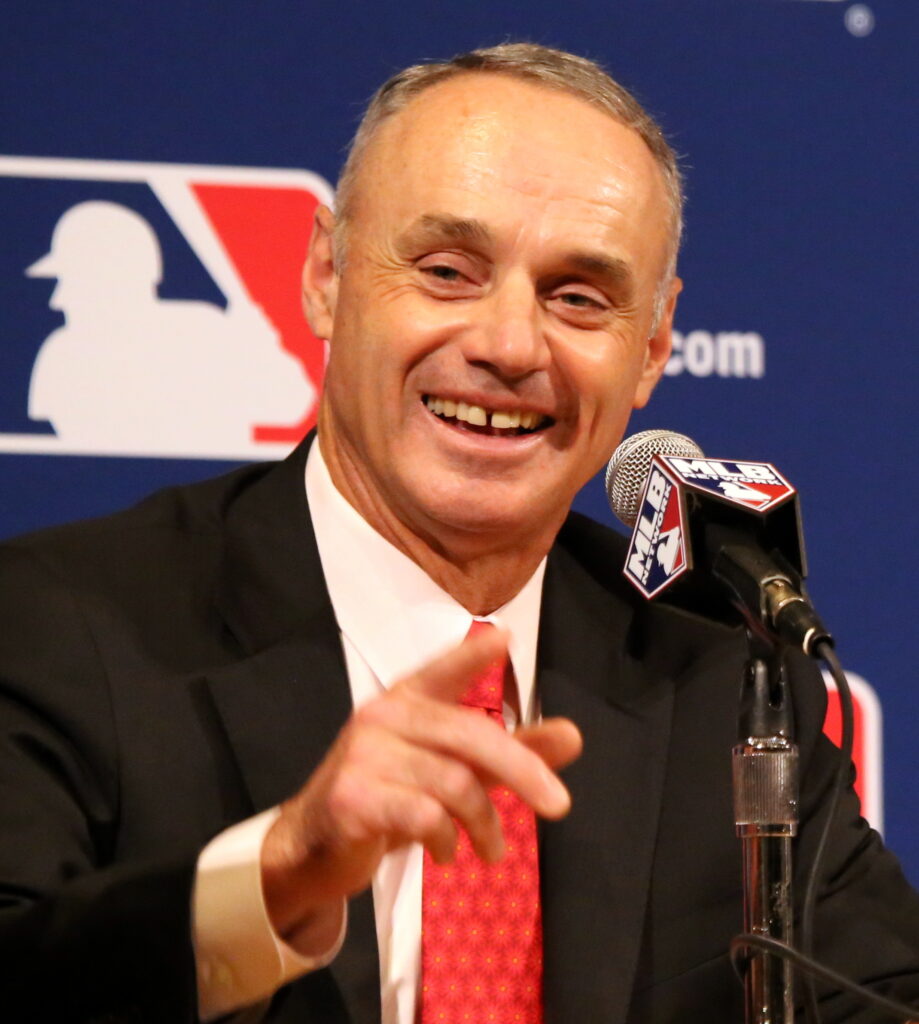
Rob Manfred at the December 2015 Winter Meetings. Archival photo. Photo: Arturo Pardavila III from Hoboken, NJ, USA · Source · CC BY 2.0.

Keep reading
Related Blog Posts
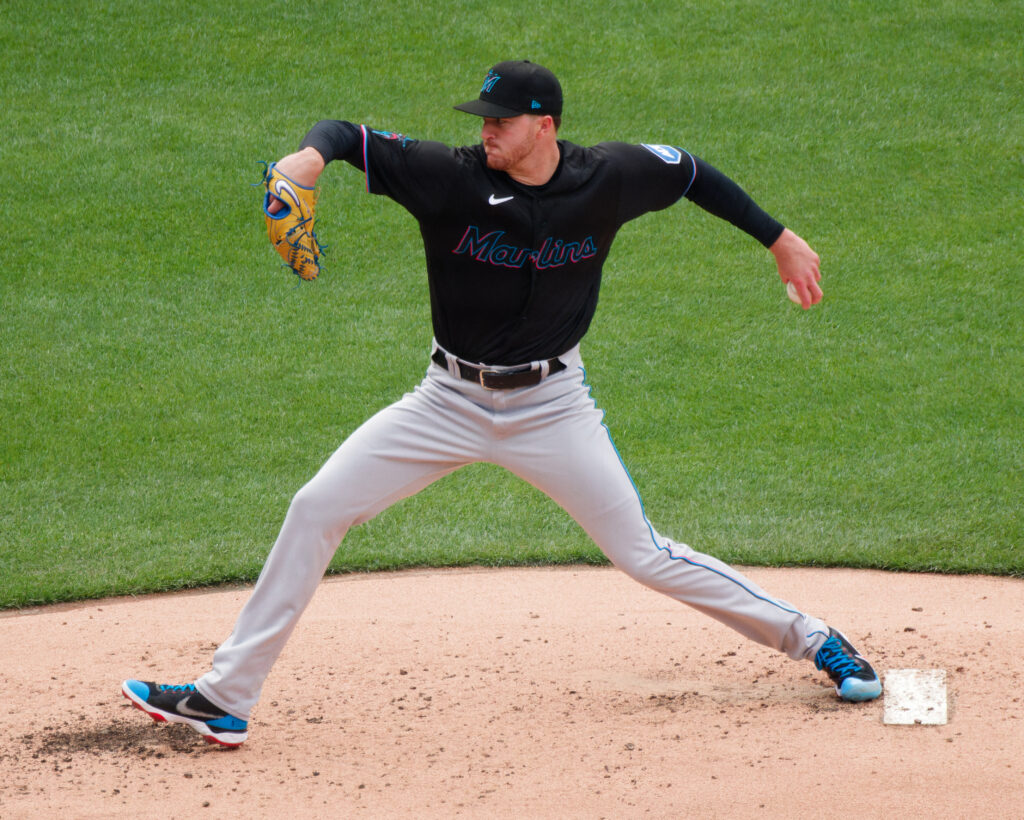
Orioles Free Agency: Why Baltimore Should Start With the Rotation
Why starting pitching should lead the Orioles’ offseason plan, including Trevor Rogers and the cost of replacing innings. Read and listen.
Read Post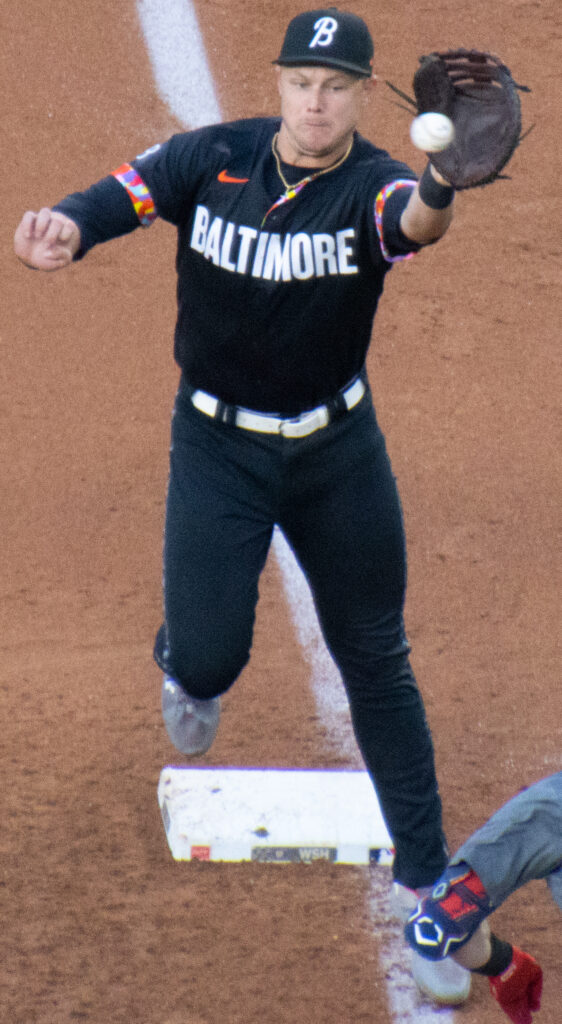
Ryan Mountcastle’s Orioles Career: Power, Milestones and a Farewell
Revisit Ryan Mountcastle’s Orioles career, rookie power and memorable milestones, with the reporting context behind this farewell episode.
Read Post
Jared Banner’s Orioles Role: Background and Player Development Priorities
Jared Banner brings experience across scouting, personnel and player development. The measure of his Orioles tenure will be how effectively those.
Read Post