
Blog Post
Orioles Face Tender Deadline With Four Arbitration Cases Ahead
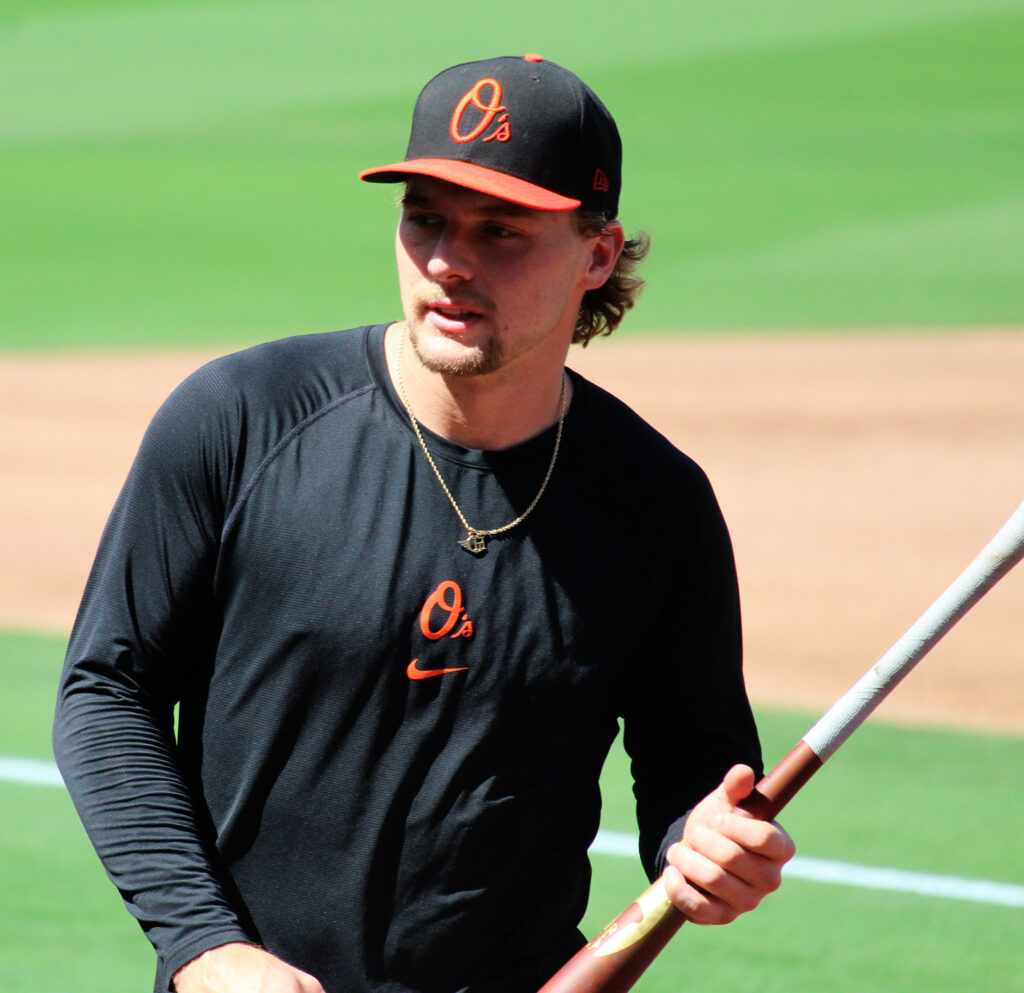
Evening update, November 20: The Orioles announced a one-year agreement with Félix Bautista and contract tenders for Henderson, Cowser, Westburg and all pre-arbitration 40-man players. Read the confirmed outcome and reported financial terms. The analysis below reflects the 8 a.m. research cutoff.
Gunnar Henderson, Félix Bautista, Colton Cowser and Jordan Westburg enter Baltimore’s tender-day discussion with different questions about production and roles. Their projected salaries remain estimates.
The Orioles reach Friday’s contract-tender deadline with four arbitration-eligible players in focus: Gunnar Henderson, Félix Bautista, Colton Cowser and Jordan Westburg. MASN’s Roch Kubatko identified that remaining group in his November 20 preview and expects all four to receive tenders.
That expectation is not a club announcement. At this article’s morning research cutoff, the question is what the deadline decides—and how much roster work would remain even if Baltimore keeps the entire group.
A tender leaves room for salary negotiations
A contract tender preserves the club-player relationship for the coming season without necessarily settling an arbitration salary. A non-tender makes the player a free agent. MLB explains the distinction in its tender and non-tender glossaries.
The 2022–26 Basic Agreement places the tender deadline on the final Friday before Thanksgiving. This year that is November 20. Its salary-arbitration provisions also establish the consequence of an unresolved case: a hearing panel chooses one of the two salary figures submitted, rather than inventing a midpoint.
Those are separate decisions. A team can retain a player at the tender deadline and continue negotiating his compensation. Fans should therefore read an eventual tender announcement for what it establishes, then look separately for a salary agreement or a hearing outcome.
The estimates are a planning reference
Kubatko cites MLB Trade Rumors projections of $14.1 million for Henderson, $2.4 million for Bautista, $2.2 million for Cowser and $1.5 million for Westburg. Together those estimates total $20.2 million, a Birdland Today calculation. They are neither signed salaries nor a report that the Orioles have offered those amounts.
The distinction matters most when using the figures to discuss the rest of the offseason. They offer a rough reference for four cases; they do not establish a final payroll commitment or tell us how much ownership will spend elsewhere. Treating an estimate as a completed contract makes every subsequent roster calculation less reliable.
Retention would not settle performance or playing time
Henderson’s official 2026 record shows 158 games and 702 plate appearances, with a .225/.309/.403 line, 24 home runs, 67 walks and 156 strikeouts. A tender would preserve Baltimore’s ability to build with him. It would not resolve the baseball question of how he can produce more consistently at the plate.
Cowser’s official batting record tells a different story of opportunity: 142 games, but 392 plate appearances. He hit .226/.317/.370 with 13 home runs, 46 walks and 121 strikeouts. Game appearances and a full everyday offensive workload are different measures; his season illustrates why both should be considered when discussing his next role.
For Cowser, keeping a roster place and earning more plate appearances would be successive parts of the evaluation. Baltimore still needs to decide how its outfield pieces fit together. Our review of the outfield search explains why that requires more than choosing a preferred batting side.
Bautista and Westburg add questions of availability and role. Kubatko reports that Bautista made only two major league appearances in 2026 and that Westburg missed the season following elbow reconstruction. Retaining either would preserve an option for the club, while readiness and workload would still require evaluation. A contract decision alone cannot supply healthy innings or at-bats.
What to look for after the deadline
The useful follow-up is specific: which players were tendered, whether any salary agreements were announced, and which cases remain unresolved. An expectation reported before the deadline should not be carried forward as a confirmed result.
Baltimore can complete Friday’s roster obligation and still have substantial work ahead. Salaries, health, offensive adjustments and the distribution of playing time each need their own evidence. Keeping those questions separate makes the next announcement easier to judge.
Sources and image credit
Research cutoff: November 20, 2026, 8 a.m. Eastern. Current Orioles cases, projections and reported health context: Roch Kubatko, MASN, November 20. Rules: MLB glossaries linked above and the Basic Agreement, Articles VI(F) and XX(A). Batting records: MLB official statistics linked above. The $20.2 million sum and roster interpretation are Birdland Today analysis; no tender outcome or salary agreement is claimed.
Photograph: Gunnar Henderson holding a bat at an Orioles–Padres game on September 1, 2025, by Reunion, via Wikimedia Commons, CC BY 4.0. Archival photograph; display resizing and CMS cropping may apply. It does not depict a contract signing or the 2026 tender deadline.

Keep reading
Related Blog Posts
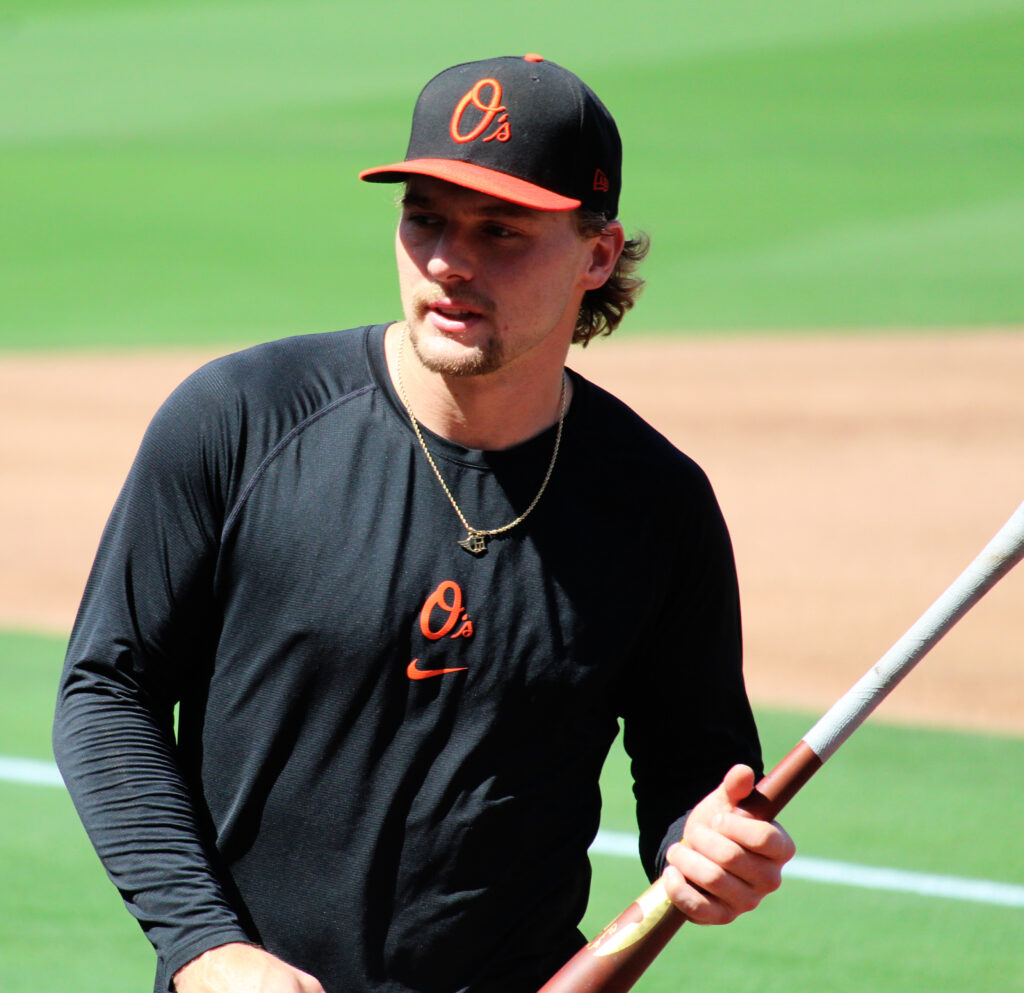
Orioles Agree With Bautista, Tender Three More Contracts
The Orioles agreed with Félix Bautista for 2027 and tendered Henderson, Cowser and Westburg. Salary details remain separately attributed reporting.
Read Post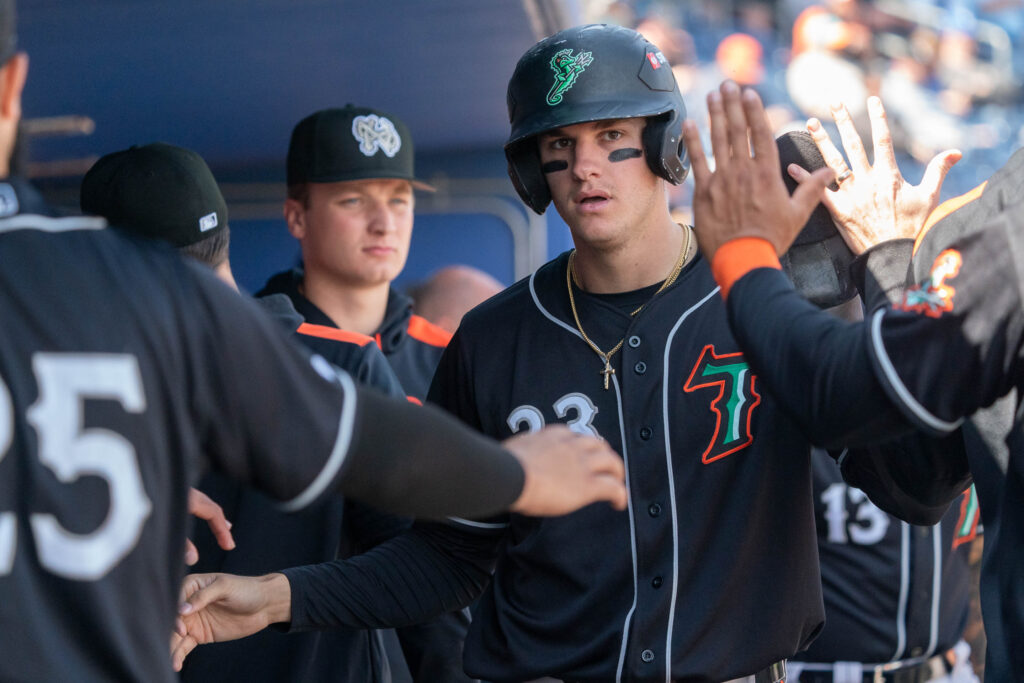
Coby Mayo’s 24-Homer Season Leaves an On-Base Challenge
Coby Mayo’s home-run rate rose in 2026, while his on-base percentage stayed nearly flat. Walks and strikeouts frame his next Orioles challenge.
Read Post
Anthony Nunez’s Second Career Gives the Orioles a Developing Relief Option
Anthony Nunez’s move from infielder to pitcher has reached Baltimore. His rookie strikeouts offer promise; improved control is the next challenge.
Read Post