
Blog Post
Orioles Face Two Clocks as MLB Labor Deadline Nears
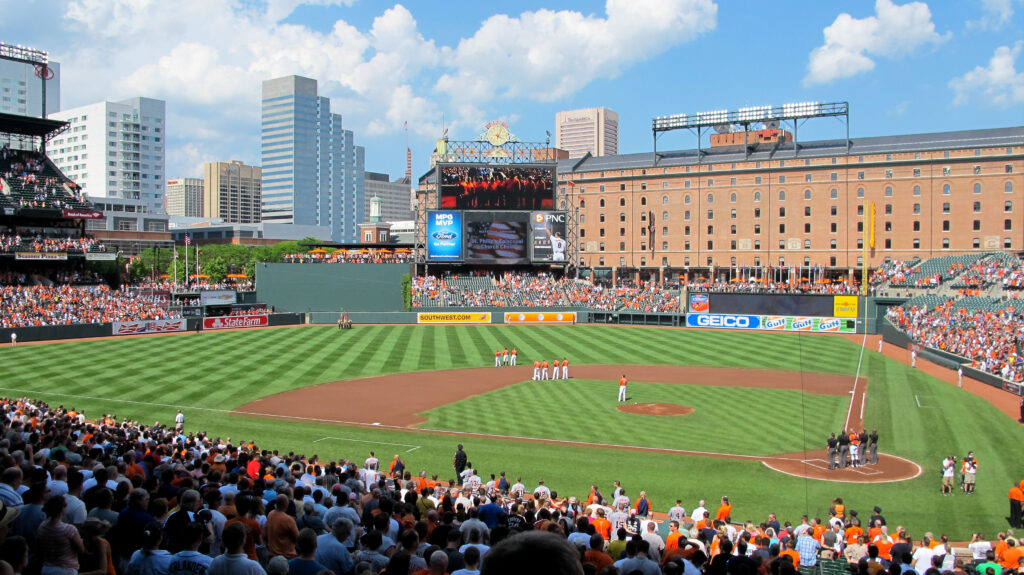
The Orioles have baseball decisions to make before December. A busy transaction market would say little about whether owners and players have settled their larger dispute.
Two weeks before Major League Baseball’s collective bargaining agreement expires, Baltimore faces a familiar offseason task under an unfamiliar constraint: improve the roster while preparing for a market that could stop.
The distinction matters. A club can pursue free agents, evaluate trades and protect prospects without having any control over the negotiations that determine the industry’s next economic system. November activity and December labor peace are separate questions.
As of this November 17 reporting cutoff, Birdland Today has not verified a public breakthrough resolving the central salary-cap disagreement. The absence of such an announcement does not reveal everything happening privately. It does mean that ordinary baseball transactions should not be presented as evidence of a labor agreement.
The deadline has a precise meaning
The current agreement runs through December 1, 2026, at 11:59 p.m. A subsequent lockout would be imposed by owners. The agreement’s expiration is a deadline; it is not, by itself, an announcement that a shutdown has begun.
Nor would a winter lockout automatically establish that regular-season games will be lost. A shutdown followed by an agreement before the season and a dispute that delays Opening Day are materially different outcomes. Fans deserve that distinction before predictions begin circulating as certainties.
Birdland Today’s weekly forecast concerns the first event: whether owners impose a lockout after the current agreement expires and before a successor agreement is reached. The subjective estimate remains 85 percent, unchanged from November 10—a change of zero percentage points. It is an editorial judgment based on public information, not a statistical model or private reporting. It is not an 85 percent estimate that games will be canceled.
A later start does not settle the system
The league’s November 3 proposal shifted the proposed implementation of a cap-and-floor system to 2028. Sportsnet’s proposal tracker reported a $180.2 million floor and a $258.2 million ceiling in that package. Those figures are bargaining proposals, not the Orioles’ current spending rules.
The players association’s public response that day rejected replacing the existing framework and objected to restrictions on player rights. Moving implementation back can change the transition without resolving the disagreement over whether a cap should exist.
That is why the number of revisions in a proposal offers a poor substitute for evidence of convergence. A package may contain individual provisions players would welcome while retaining a central feature their union opposes. Progress requires common ground on an agreement the parties can actually accept.
Preparation is more useful than panic
Reporting from The Banner at the general managers meetings described Mike Elias treating Baltimore’s work as normal November business, alongside industry expectations of activity before expiration. Those positions are compatible: evaluate opportunities on their merits while recognizing that the available window may narrow.
For the Orioles, the practical response is preparation. Know the needs, establish defensible prices and develop alternatives before an opportunity arrives. A compressed market makes advance work more valuable; it does not make an unsuitable contract a better baseball decision.
A front office that has only one acceptable target can find itself negotiating against its own deadline. Having alternatives preserves the ability to act, wait or walk away. That is an argument for disciplined planning, not for doing a deal merely to announce one.
The same uncertainty affects players choosing their next employer. A concrete offer now must be weighed against the possibility of waiting through an interrupted market. A rush of transactions might reflect that uncertainty, normal competition or both. It would not settle what the parties have agreed to at the bargaining table.
The useful signals in the next two weeks will therefore be specific: a proposal addressing the central disagreement differently, terms both parties acknowledge accepting, or reliable reporting that shows the distance between them narrowing. Another week passing is not new evidence by itself.
Baltimore’s baseball decisions can still be assessed on their own terms. The club’s roster work matters. So does the labor dispute. Following both carefully means resisting the temptation to use one as a shortcut for understanding the other.
Reporting context: November 17, 2026, before the morning release. Analysis reflects publicly available information at production cutoff; subsequent bargaining developments may change the outlook.
Sources: 2022–26 Basic Agreement; MLBPA, November 3 bargaining statement; Sportsnet, proposal tracker; The Banner, November 14 reporting from the GM meetings.
Image: Oriole Park at Camden Yards, June 1, 2013, by Keith Allison, via Wikimedia Commons, CC BY-SA 2.0. Archival stadium photograph; cropped for presentation. It does not depict current labor negotiations.

Keep reading
Related Blog Posts
Camden Yards Renovations: What Opens in March and What Comes Later
The Orioles plan most Camden Yards upgrades for the March 29 home opener, with the Kids Zone following the All-Star break. What fans should check before visiting.
Read Post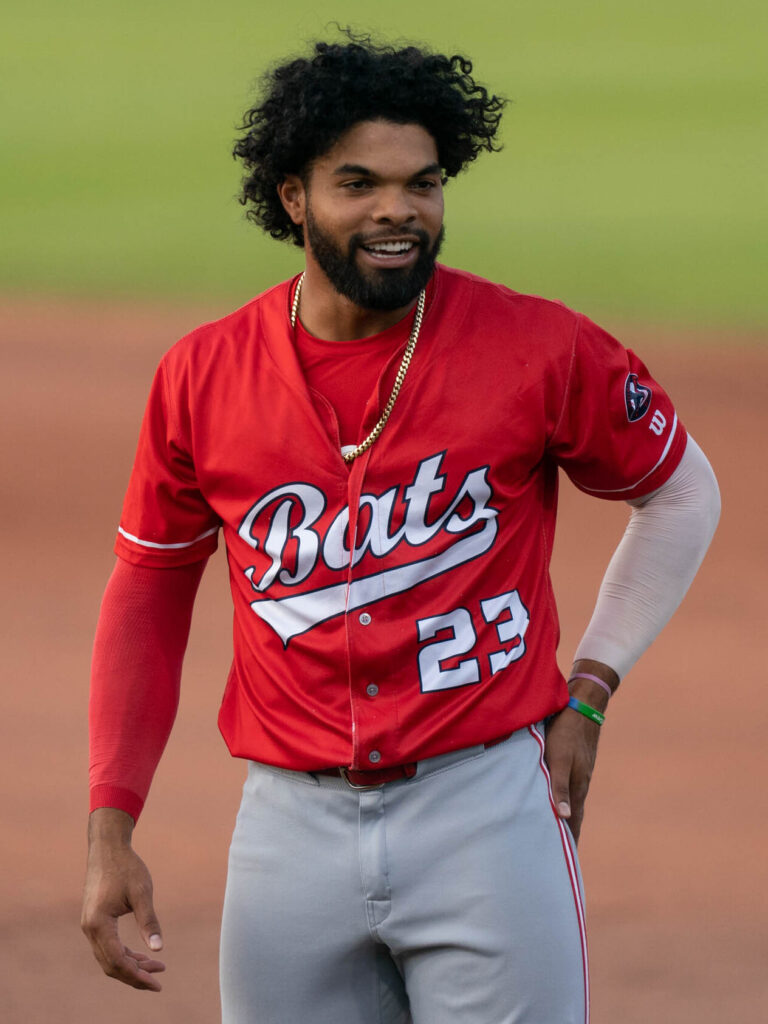
Orioles Release Rece Hinds as Prospect-Protection Decisions Approach
Baltimore released Rece Hinds as he pursues an opportunity in Korea. The move opens roster space ahead of prospect-protection decisions without settling the outfield.
Read Post
Orioles’ 2027 Ticket Sale: Key Dates and a Practical Planning Guide
The Orioles’ public sale starts November 19, with Opening Day handled separately. A guide to checking game dates, giveaways and special-package details.
Read Post