
Blog Post
Westburg and Holliday Health Outlook Shapes Orioles Infield Planning
Baltimore projects Jordan Westburg and Jackson Holliday to be ready for spring training. That would expand the club’s options, but November expectations still need to become usable depth.
The Orioles’ infield planning received an encouraging public update Thursday: Jordan Westburg and Jackson Holliday are projected to be ready when spring training begins. It is a useful starting point for the offseason, not a guarantee about either player’s eventual workload.
In Roch Kubatko’s November 12 report for MASN, president of baseball operations Mike Elias said the club has no frontline major league players currently projected to be delayed. Kubatko reported that Westburg underwent elbow-reconstructive surgery in May and missed the season, while Holliday had a late-September procedure to repair a partial triangular fibrocartilage complex tear.
Those are the club’s reported expectations. They are not an independent medical assessment, and this update does not establish that either player has completed every step of rehabilitation.
The roster offers choices
MLB’s official 40-man roster, checked Thursday morning, lists Westburg and Coby Mayo at third base, Holliday at second and Gunnar Henderson at shortstop. Those designations describe the roster listing; they do not settle the Opening Day alignment or prescribe how Baltimore must distribute playing time.
That distinction matters when judging depth. Counting names at a position answers one question: how many potential options are present? It does not answer how many innings each can handle, which combinations provide the best defense or how the bench should be built around them.
Our view is that Baltimore should evaluate those questions separately. A reserve who can cover a difficult defensive assignment has value even when the regular starter is available. So does a player whose bat gives the manager a useful matchup. The strongest bench does more than wait for an injury; it supplies choices throughout a game.
Readiness comes in stages
Spring participation, regular exhibition appearances and the ability to sustain a major league schedule are different checkpoints. Fans should look for specific updates about baseball activity and availability rather than treating an optimistic arrival date as the end of the story.
That approach also creates a fairer standard for the players. A returning infielder should be judged on the role he can perform, not on the assumption that an offseason projection promises immediate peak form. Evaluation should leave room for both progress and adjustments.
For the front office, the practical question is whether the roster can absorb changes without forcing a hurried solution. Keeping alternatives available is sensible planning even when the initial outlook is encouraging. Baltimore does not need to assume a setback to prepare for one.
The coaching staff’s role in turning those options into a workable lineup will matter, too. Our look at the Orioles’ coaching continuity plans examines that development responsibility.
Research cutoff: November 12, 2026, 8:04 a.m. Eastern. Reporting is attributed to MASN; roster designations come from MLB. Roster-building judgments are Birdland Today analysis.
Sources: MASN: November 12 roster and health update; MLB official 40-man roster.
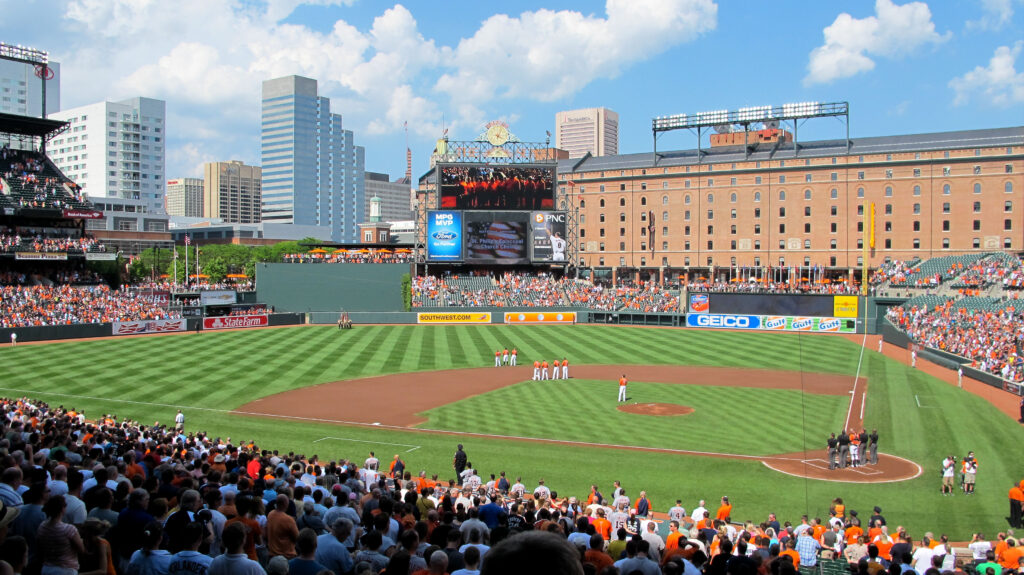
Image: Oriole Park at Camden Yards before a game on June 1, 2013. Illustrative archival ballpark photograph, not a rehabilitation image. Keith Allison / Wikimedia Commons, CC BY-SA 2.0. Resized for display; photo adaptations retain the same license.

Keep reading
Related Blog Posts
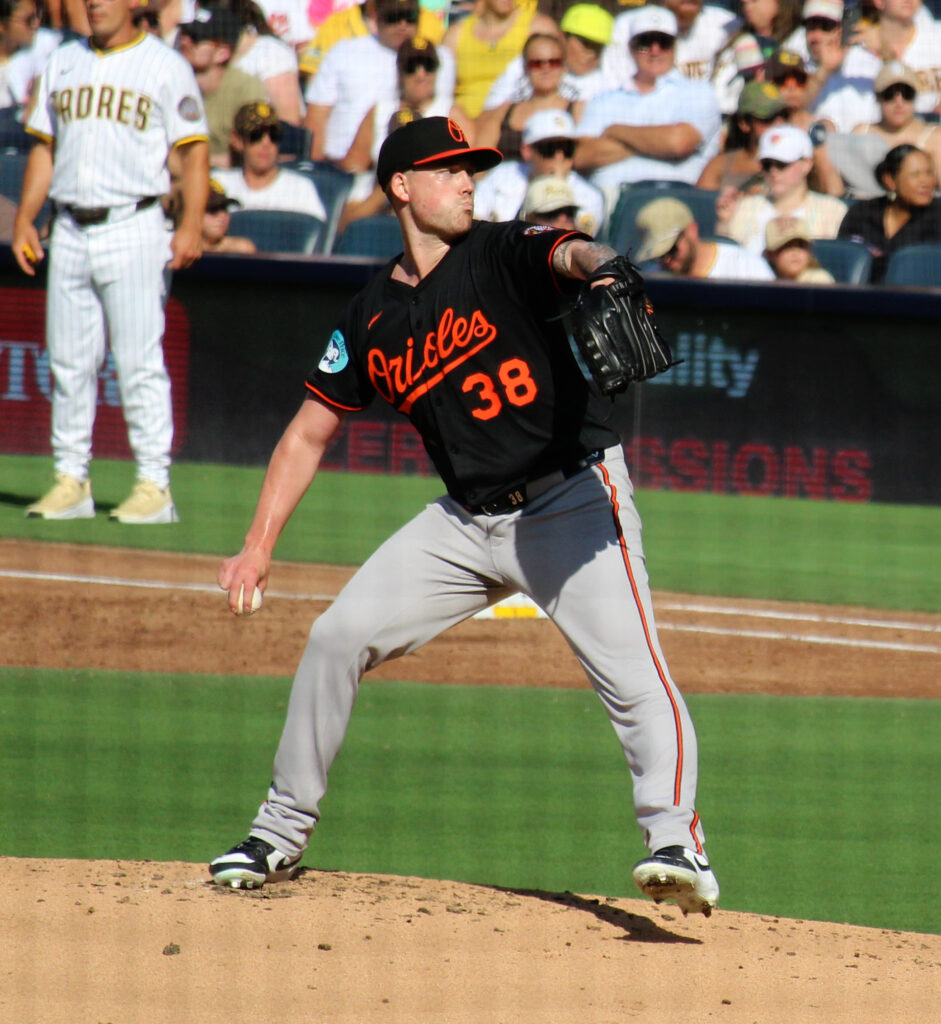
Kyle Bradish’s Next Test Is Turning Potential Into Dependable Innings
Baltimore has made a long-term commitment to Kyle Bradish. Availability and command will determine how much of his pitching ceiling reaches the rotation.
Read Post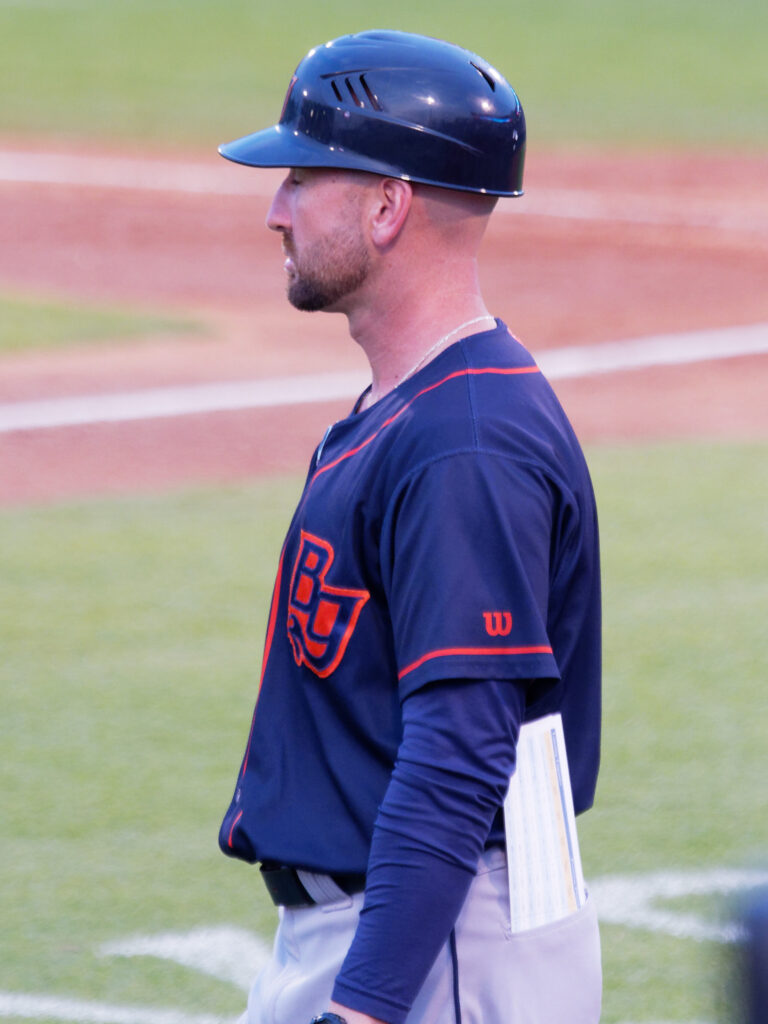
Orioles Plan Coaching Continuity Around Craig Albernaz
The Orioles plan to retain their coaching staff, with promotion departures still possible. Official roles and the development questions that follow for 2027.
Read Post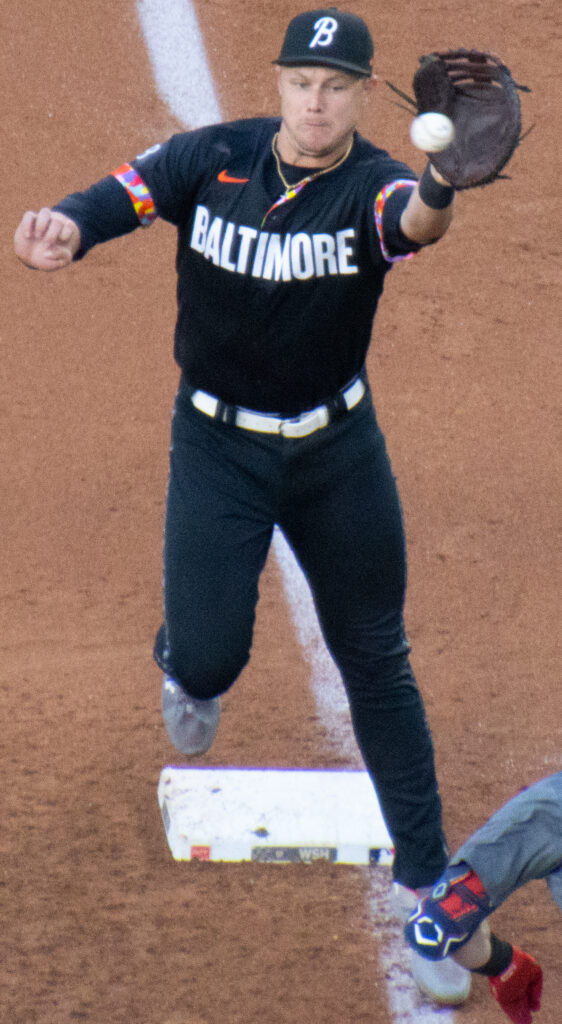
Mountcastle Reports Recovery as His Free-Agent Search Begins
Ryan Mountcastle told MASN he is healthy and working out again. His eight-game 2026 season leaves questions about opportunity, evaluation and a possible Orioles fit.
Read Post