
Blog Post
Brooks Robinson’s 1970 World Series Was More Than a Glove Show
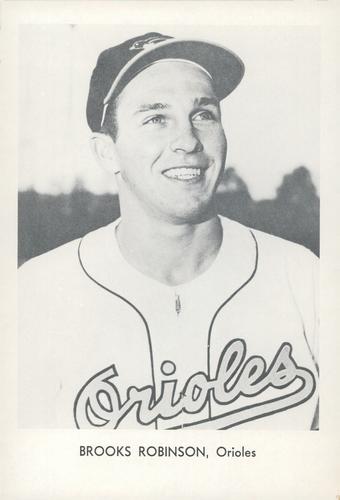
Brooks Robinson’s glove became the lasting image of the 1970 World Series. His nine hits and two home runs belong beside it in the story of Baltimore’s championship.
Brooks Robinson’s 1970 World Series is remembered through the reach, the recovery and the throw. Cincinnati hit balls that looked capable of changing an inning, and Baltimore’s third baseman turned them into outs.
But reducing that championship to a fielding exhibition leaves out another substantial part of Robinson’s contribution. He also hit .429 with two home runs and six runs batted in as the Orioles defeated the Reds in five games. The player who took hits away was producing them, too.
The glove and the seventh-inning swing
The National Baseball Hall of Fame’s account describes Robinson’s celebrated Game 1 play against Lee May: a difficult stop toward foul territory followed by a throw that bounced across Riverfront Stadium’s artificial turf to first baseman Boog Powell for the out.
That was not Robinson’s only decisive act in the opener. With the score tied 3-3 in the seventh inning, he homered to left. Baltimore won 4-3. In Game 2, the Hall recounts, his catch of a May line drive became an inning-ending double play; the Orioles ultimately won 6-5.
Those examples explain the appeal of remembering the series through individual plays. The defensive execution was distinctive enough to remain recognizable decades later. The home run supplies a useful correction to any version in which Robinson’s offense disappears behind his glove.
What nine hits in 21 at-bats meant
MLB’s historical World Series record lists Robinson with nine hits in 21 at-bats in 1970. Two were doubles and two were home runs. He scored five runs, drove in six and accumulated 17 total bases, producing an .810 slugging percentage.
The total-base arithmetic makes the shape of that performance clear: five singles, two doubles worth four bases and two home runs worth eight. Four of the nine hits went for extra bases. This was more than a collection of singles attached to memorable defense.
The previous World Series had gone very differently at the plate. MLB’s 1969 listing records one hit in 19 at-bats, a .053 average. In 1971, he would collect seven hits in 22 at-bats for a .318 average. Those sharply different short-series outcomes are part of the record, not evidence that his underlying ability changed to match each October average.
A famous week within a much longer standard
The Hall of Fame’s Robinson biography places the 1970 World Series MVP award within a career that included 16 consecutive Gold Gloves, 18 All-Star selections and the 1964 American League MVP award. He played his entire major-league career for Baltimore, from 1955 through 1977, and entered Cooperstown in 1983.
The series is therefore best understood as a concentrated demonstration of an established player’s range of contributions. The catches and throws give the story its signature images. The batting record shows that Cincinnati also had to retire him.
For readers revisiting Orioles championships alongside Baltimore’s 1983 clincher, that complete view is more satisfying than choosing one side of Robinson’s game. In 1970, the enduring defensive legend and the productive hitter were the same man.
Sources and credits
Historical feature researched through November 13, 2026, 8 p.m. Eastern. Sources: National Baseball Hall of Fame and Museum, “Starting Nine: Leather from a Legend” by Craig Muder and Brooks Robinson’s Hall biography, linked above; MLB’s official historical World Series batting records, also linked above. Interpretation and statistical arithmetic are Birdland Today’s analysis.
Photograph: Brooks Robinson in a 1966 Sports Service Orioles promotional portrait, via Wikimedia Commons. Public domain in the United States under the source’s no-copyright-notice designation. Unmodified source image; resized for display. The portrait predates the 1970 series.

Keep reading
Related Blog Posts
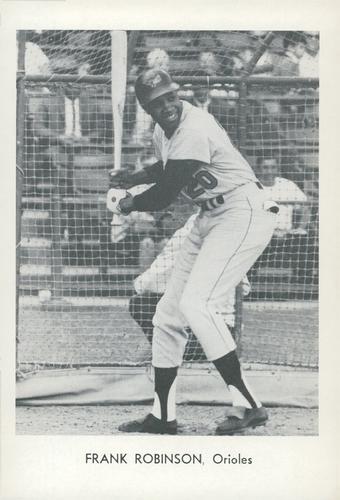
Frank Robinson’s 1966 Triple Crown Was a Complete Offensive Season
Frank Robinson arrived in Baltimore after a strong Cincinnati season. His 1966 Triple Crown combined more power, more walks and the Orioles’ first championship.
Read Post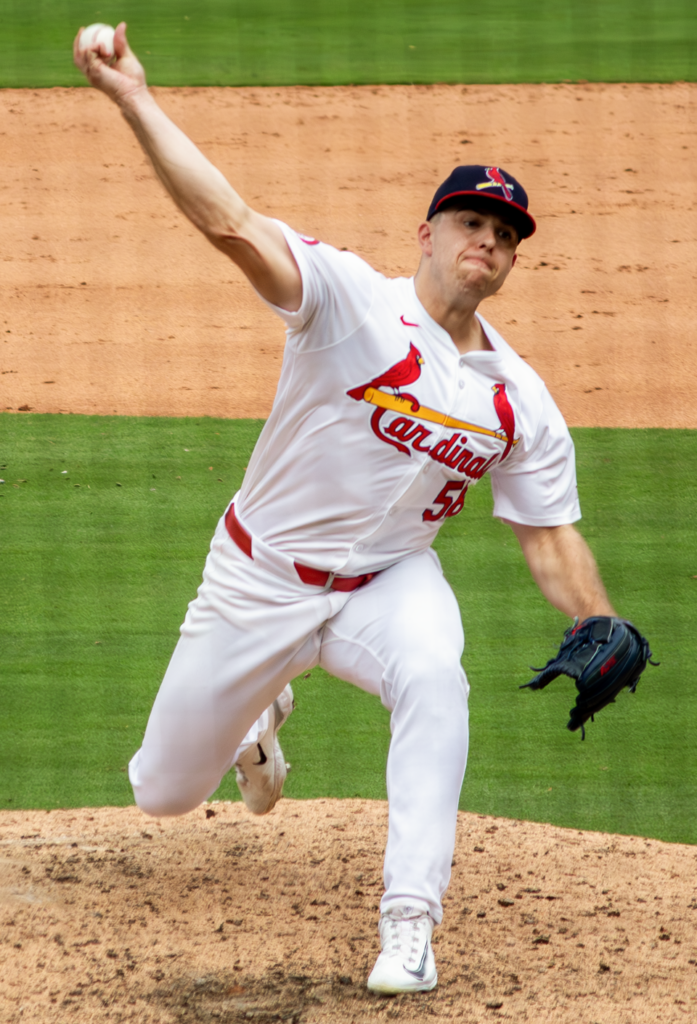
Orioles’ Ninth-Inning Plan Must Start With Availability
Ryan Helsley and Félix Bautista give Baltimore experienced late-inning options. Their recent workloads make availability central to the Orioles’ 2027 bullpen plan.
Read Post
Nate George’s Next Orioles Test Is a Sustained Return to Games
After 20 games at High-A Frederick in 2026, Nate George needs sustained game work. His batting and baserunning records frame what to watch next.
Read Post