
Blog Post
Orioles’ Ninth-Inning Plan Must Start With Availability
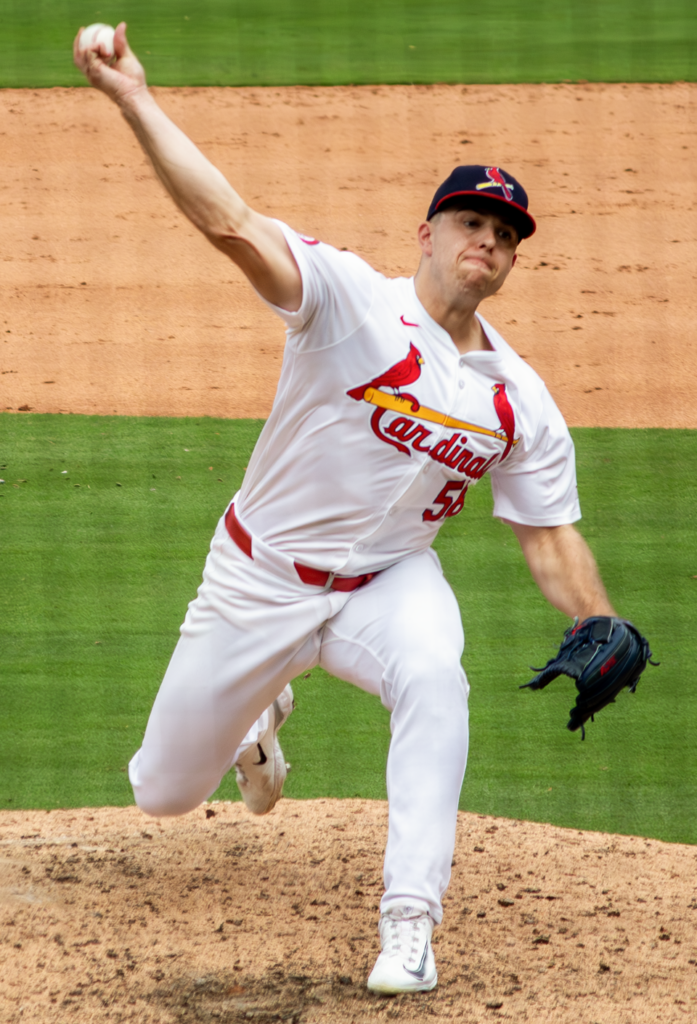
Ryan Helsley and Félix Bautista bring ninth-inning experience. Their recent workloads make a dependable plan for availability more useful than an early argument over the closer label.
The Orioles can benefit from having two relievers with closing experience without deciding in November that every ninth inning belongs to the same pitcher. The more pressing task is to establish which assignments Ryan Helsley and Félix Bautista can reliably handle.
In his November 14 MASN report, Roch Kubatko describes cautious planning around both pitchers. His reading of Mike Elias’s GM Meetings comments gives Helsley an initial edge for closing work, with spring plans still to take shape. That is not a final role announcement.
The history is substantial; the latest sample is not
Bautista’s official 2023 record shows why the possibility of his return to a major late-inning role remains appealing. He struck out 110 batters in 61 innings, posted a 1.48 ERA and recorded 33 saves in 56 appearances. Those are the results of an established season of dominant relief work.
His 2026 major-league record is dramatically smaller: two appearances and 1⅔ innings, with three strikeouts, one walk and three earned runs allowed. Five recorded outs cannot establish whether a pitcher can handle a full season’s assignments.
Nor should that brief return erase the earlier record. The two seasons answer different questions: one demonstrates the level Bautista has reached; the other offers very limited recent game evidence. A responsible bullpen plan needs to acknowledge both.
Helsley’s official Baltimore 2026 line supplies a larger recent sample, but still a short one: 17 appearances and 15⅓ innings, with a 4.11 ERA, 21 strikeouts and nine walks. His history of finishing games is relevant. It does not by itself establish how often he should be asked to pitch next year.
Build an assignment plan before a hierarchy
Our view: Baltimore should begin by determining the work each pitcher is ready to repeat. One effective appearance is useful evidence. Demonstrating command, recovering between outings and sustaining that effectiveness across successive appearances would offer more.
The club can then make game decisions around the pitchers available that day. If one needs rest, the other’s closing experience becomes valuable without requiring a public change in status. If neither is available, the bullpen still needs a third route through the final outs.
That last point matters to roster construction. Two recognizable names do not remove the need for other relievers capable of difficult innings. A plan that depends on both being ready every night is fragile even if each is excellent when he pitches.
Judge the work, not just the inning
A reliever asked to protect a narrow lead in the eighth may face a more demanding assignment than the pitcher who gets the ninth. The evaluation should include the hitters faced, the situation and the quality of execution. A title cannot describe all of that work.
Our earlier Helsley save-percentage review examined the limits of a single results statistic. This is a separate planning question: how Baltimore allocates important outs while establishing dependable workloads.
The strongest outcome would be enough effective options that a rest day does not force a crisis. Helsley and Bautista could be central to that bullpen. The Orioles first need a realistic plan for the work around them.
Sources and credits
Research cutoff: November 14, 2026, 2:02 p.m. Eastern. Reporting: Roch Kubatko, MASN, linked above. Official MLB statistics: Bautista’s year-by-year pitching record and Helsley’s 2026 pitching record. Workload and role recommendations are Birdland Today’s analysis, not medical assessments or announced team restrictions.
Photograph: Ryan Helsley pitching for St. Louis at Busch Stadium in 2024. Johnmaxmena2, via Wikimedia Commons, CC BY 4.0. Resized for display. Archival Cardinals image.

Keep reading
Related Blog Posts
Frank Robinson’s 1966 Triple Crown Was a Complete Offensive Season
Frank Robinson arrived in Baltimore after a strong Cincinnati season. His 1966 Triple Crown combined more power, more walks and the Orioles’ first championship.
Read Post
Brooks Robinson’s 1970 World Series Was More Than a Glove Show
Brooks Robinson’s defense defined the 1970 World Series, but his nine hits, two home runs and six RBI also helped carry the Orioles past Cincinnati.
Read Post
Nate George’s Next Orioles Test Is a Sustained Return to Games
After 20 games at High-A Frederick in 2026, Nate George needs sustained game work. His batting and baserunning records frame what to watch next.
Read Post