
Blog Post
Eddie Murray’s 500th Home Run Joined Power to Endurance
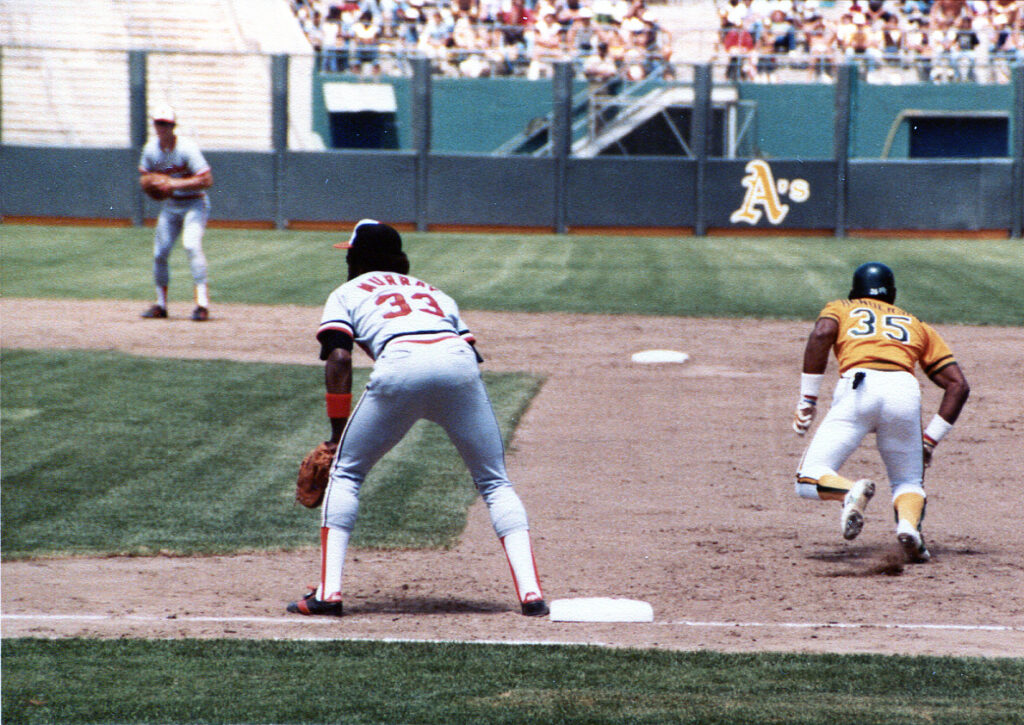
Eddie Murray reached 500 home runs at Camden Yards in 1996. The achievement joined his power to a second milestone—and gave his return to Baltimore a lasting place in Orioles history.
Eddie Murray’s 500th home run was a Baltimore moment with a much larger baseball meaning. On September 6, 1996, his seventh-inning drive off Detroit’s Felipe Lira cleared the right-field wall at Camden Yards. Murray became the 15th player to reach 500 major league home runs.
He also became only the third player to combine 500 homers with 3,000 hits. At that point, the other two were Hank Aaron and Willie Mays. The home run was a landmark on its own; the combination described the breadth of Murray’s career.
The National Baseball Hall of Fame’s account places the celebration on the first anniversary of Cal Ripken Jr.’s record-breaking 2,131st consecutive game. One year after Baltimore celebrated a standard of endurance, it celebrated another.
The return that brought the milestone home
Murray had begun his major league career with the Orioles in 1977 and spent his first 12 seasons in Baltimore. By 1996, he was playing for Cleveland. On July 21, the Orioles brought him back in a trade for pitcher Kent Mercker, as documented in the Hall’s history of the deal.
He returned with 491 career home runs. That put the milestone within reach, but Baltimore also had an immediate baseball use for him at designated hitter. The reunion belonged to a season still in progress, with a postseason place to pursue.
MLB’s official records credit Murray with 64 games for the 1996 Orioles. He hit .257, collected 59 hits and drove in 34 runs. His Baltimore portion included 10 home runs; his full season, combining Cleveland and Baltimore, ended with 22 home runs and 79 RBI in 152 games.
Those numbers keep the homecoming in proportion. Murray did not return as the hitter who had dominated Baltimore’s lineup in his prime. He returned as a veteran who could still contribute, and whose career gave each additional home run unusual significance.
Two milestones, different kinds of accumulation
The appeal of 500 home runs is easy to understand: it measures a long record of producing the most valuable single batting result. Three thousand hits asks a different question. It requires a hitter to keep earning opportunities and keep collecting hits across many seasons.
Murray reached both. The overlap matters because it resists a narrow description of his offense. He was a power hitter whose career was also built on the repeated, ordinary work of getting hits. The spectacular swing in September was the visible endpoint of that accumulation.
The Hall’s biography records an American League Rookie of the Year season in 1977, three consecutive Gold Gloves beginning in 1982 and eight All-Star selections. It also records six finishes in the top five of his league’s MVP voting, including second-place finishes in 1982 and 1983.
That is a broader portrait than a milestone chase. Murray’s career included sustained offensive production, defensive recognition and repeated seasons in which he ranked among his league’s leading players. His 2003 Hall of Fame election recognized the whole record.
A career remembered through more than one swing
Orioles history gives Murray another celebrated home-run scene: the two-homer performance in the clinching game of the 1983 World Series. That day belonged to a team championship. The 1996 milestone belonged to a career.
The two moments illuminate different parts of the same player. One shows what Murray could contribute to the biggest game on the schedule. The other shows what he had sustained across two decades.
Remembering the 500th home run should preserve both scales. It was one swing, in one inning, at one ballpark. Its meaning came from the thousands of plate appearances before it—and from the rarity of reaching that power milestone after already reaching 3,000 hits.
Sources and image credit
Historical feature researched November 15, 2026; cutoff 8 p.m. Eastern. Sources: National Baseball Hall of Fame accounts of Murray’s 500th home run, his 1996 return to Baltimore and his career biography; MLB official year-by-year batting records. Interpretation is Birdland Today’s analysis.
Photograph: Eddie Murray at first base with Rickey Henderson and Cal Ripken Jr. in the background, circa 1983. Gary Soup, via Wikimedia Commons, CC BY 2.0. Original unchanged apart from CMS display sizing/cropping. Archival image; it does not depict the 1996 milestone or a World Series game.

Keep reading
Related Blog Posts
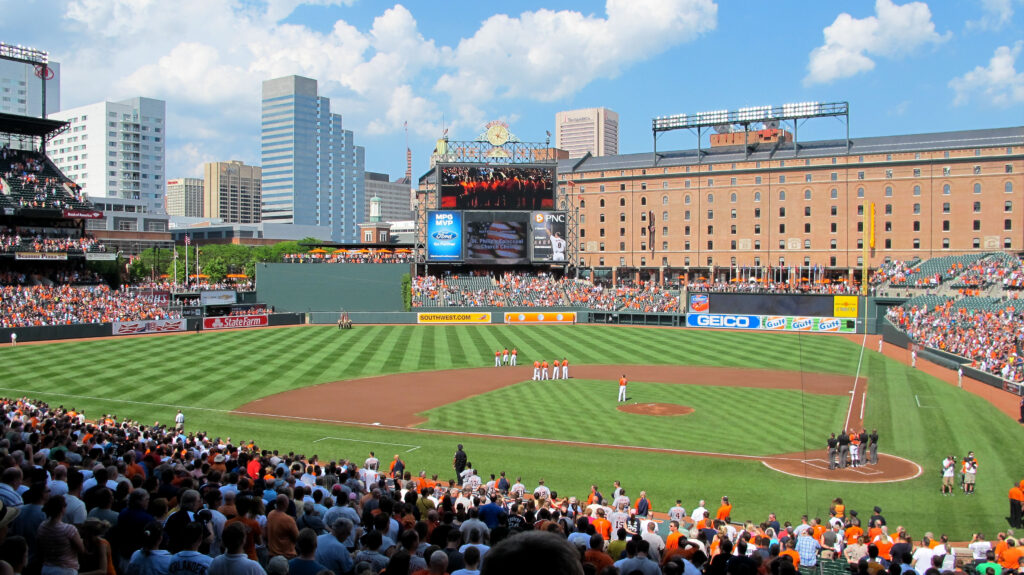
Orioles’ 2027 Ticket Sale: Key Dates and a Practical Planning Guide
The Orioles’ public sale starts November 19, with Opening Day handled separately. A guide to checking game dates, giveaways and special-package details.
Read Post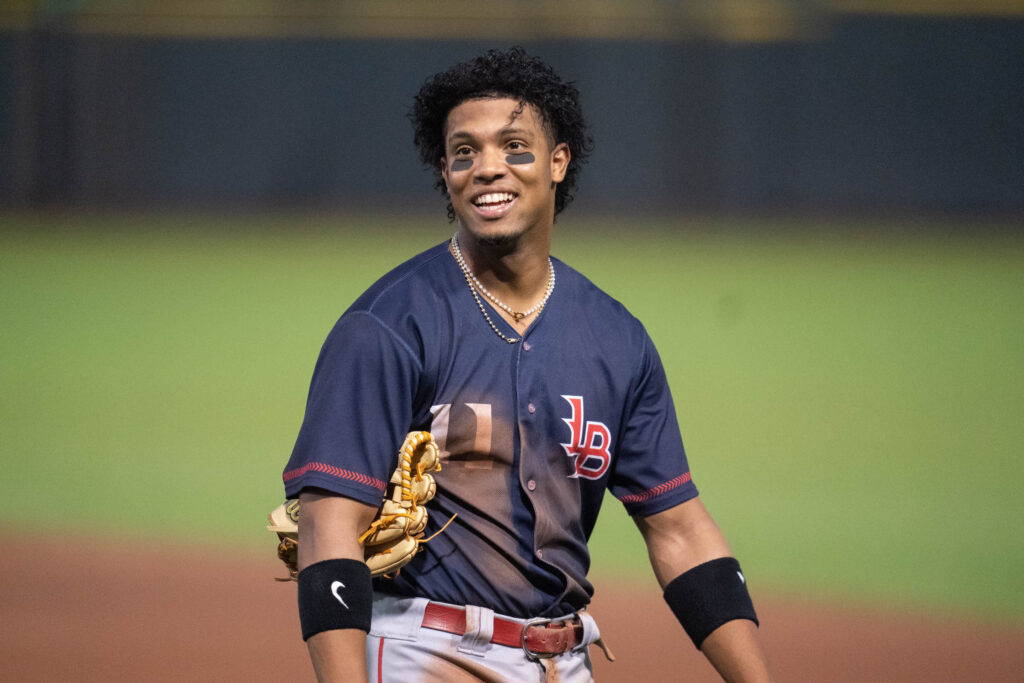
Orioles Retain José Barrero on a 2027 Minor League Deal
José Barrero returns on a 2027 minor league agreement after hitting 23 home runs for Norfolk. His recent record frames the opportunity and the offensive challenge.
Read Post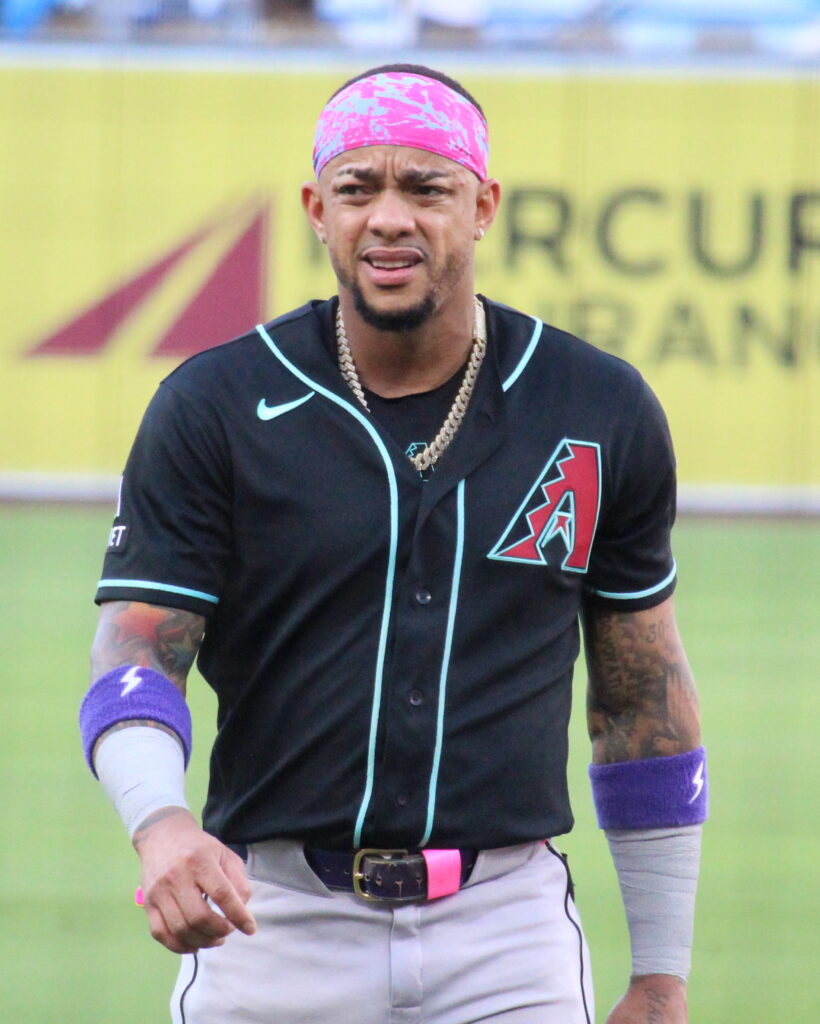
Ketel Marte Would Require a Complete Orioles Roster Plan
Ketel Marte’s 2024–26 batting record frames the upside and uncertainty in a potential Orioles fit, including the defensive plan and acquisition cost.
Read Post