
Blog Post
Rogers’ Decision and Seven Prospect Protections Leave Different Orioles Questions
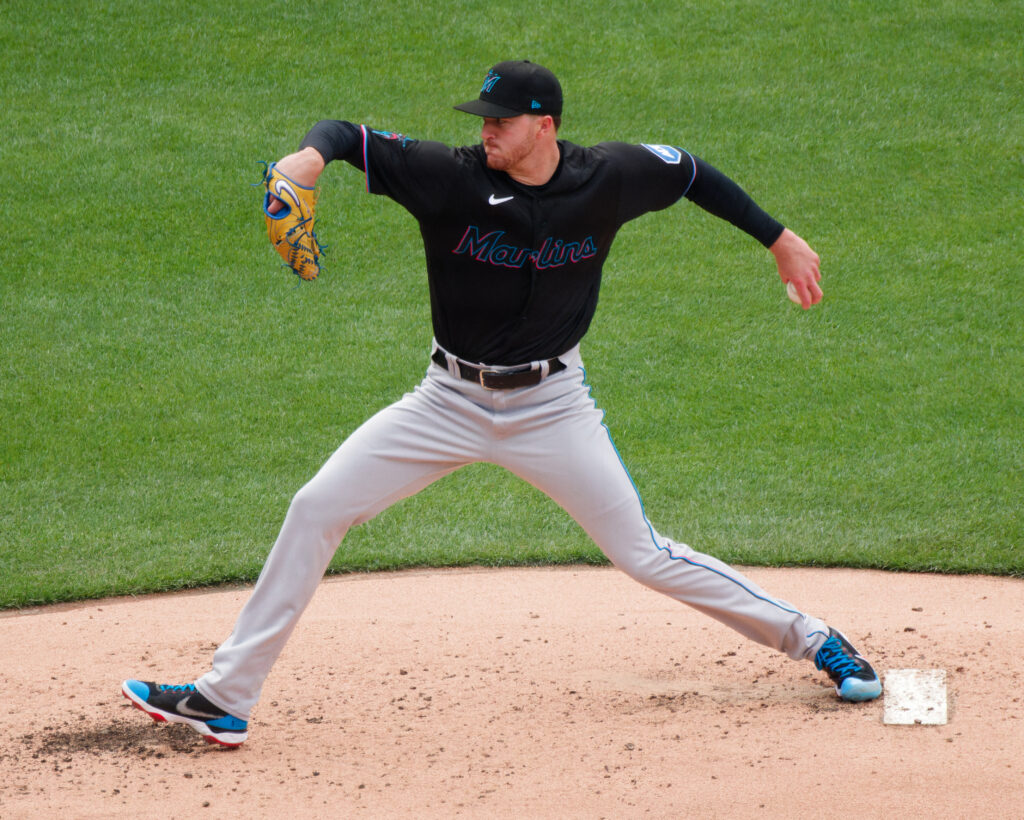
Trevor Rogers’ qualifying-offer decision leaves a major league need unresolved. Seven prospect protections preserve internal options without filling that need.
The Orioles moved two parts of their offseason forward Tuesday, but neither produced a finished rotation. Trevor Rogers declined the club’s one-year qualifying offer, while Baltimore protected seven prospects through a broad reshaping of its 40-man roster.
The distinction between those decisions is the most useful way to assess the day. Rogers remains a free agent with whom the Orioles can negotiate. The protected prospects remain internal possibilities whose eventual roles must be earned. A club trying to improve needs both a credible major league plan and enough depth to withstand the parts of a season it cannot predict.
Rogers’ decision begins the next stage
Rogers declined a one-year offer worth $23.15 million on November 17. That closes one specific contractual possibility; it does not prohibit a different agreement with Baltimore. Nor does it establish that he will return.
Until there is a signed agreement or a reliably reported commitment, the description should remain precise: Rogers is available. His destination, asking price and eventual terms should not be supplied by speculation.
The Orioles’ response should be preparation. A one-year salary and a multiyear contract involve different tradeoffs. The player evaluates security and opportunity, while the club considers its commitment over time and the alternatives available to improve the staff. The qualifying-offer figure does not answer all those questions.
Wanting Rogers back is compatible with having other options. In fact, a credible alternative makes it easier to negotiate without treating one player’s market as the entire offseason. The roster still needs a major league solution regardless of which route produces it.
Seven protections preserve possibilities
Baltimore selected the contracts of outfielder Enrique Bradfield Jr., infielder Aron Estrada and right-handers Braxton Bragg, Michael Forret, Nestor German, Patrick Reilly and Levi Wells. The official November 18 snapshot lists 38 players on the 40-man roster.
Five pitchers in that group represent a substantial set of retained options. Their protection should not be interpreted as five major league jobs already won. A player can be worth keeping on the 40-man list while still needing development work or a more defined role.
For pitchers, the next evidence will come through assignments and usage. Who continues starting? Who handles the next level? Who can maintain effectiveness through repeated trips through a lineup? If an arm moves to relief, what does the shorter outing change? Those questions are more useful than constructing a spring rotation from a transaction announcement.
Depth is valuable because a November plan cannot identify every pitcher a team will need in July. It loses some of that value if it becomes an argument against improving the front of the staff. Preserving internal choices and acquiring dependable major league work are complementary tasks.
Bradfield’s place in the group also invites a broader evaluation than one familiar tool. His running can affect games, but the complete contribution depends on reaching base, defending and fitting the role available. Protection gives the Orioles the chance to continue that evaluation; it does not resolve it.
The departures have different consequences
Rece Hinds was released. Washington claimed Philip Abner, Atlanta claimed Cameron Foster, the Yankees claimed Chase Hampton and Texas claimed Josh White. Catcher Zach Morgan cleared waivers and was outrighted to Norfolk. Morgan remaining in the organization is a different outcome from another club acquiring a player.
Those verbs matter. Calling every move a departure obscures who still has an opportunity within the system and who now belongs elsewhere. The roster count is the result of individual decisions, not a single undifferentiated cleanup.
The Orioles also traded minor league right-hander Yaqui Rivera to the Athletics for minor league right-hander Josiah Romeo. That confirmed exchange belongs in the offseason record, but it should not be inflated into the major league rotation acquisition Baltimore still needs.
Two open spots remain in the current 40-man snapshot. That creates flexibility without announcing what the next two transactions will be. The count can change again as the winter develops.
The standard for the next phase is straightforward. Evaluate actual contracts when terms are available, and evaluate prospects through the performance and roles that follow. Tuesday preserved useful options. It did not remove the need to build the major league staff around them.
Reporting context: November 18, 2026 morning analysis of the November 17 transactions. Later moves may change roster membership and free-agent status.
Sources: Orioles qualifying-offer announcement via MASN; BaltimoreBaseball, Rogers’ decision; Orioles selections and minor league trade via MASN; Official transaction record; Official 40-man snapshot.
Image: Trevor Rogers pitching for Miami on April 8, 2023. Photograph by D. Benjamin Miller, via Wikimedia Commons, CC0. Archival image, cropped for presentation; not an Orioles appearance or a depiction of current negotiations.

Keep reading
Related Blog Posts
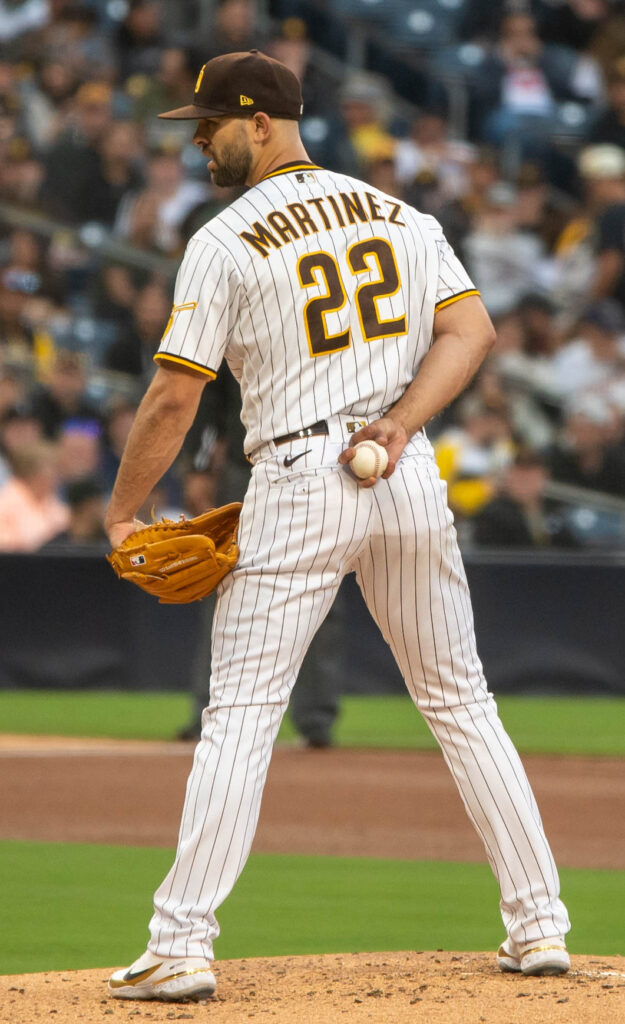
Nick Martinez’s Orioles Fit Starts With Control—and a Contact Question
Nick Martinez supplied 180 innings and a 3.10 ERA in 2026. His low walk total and limited strikeout production frame the tradeoff in a possible Orioles fit.
Read Post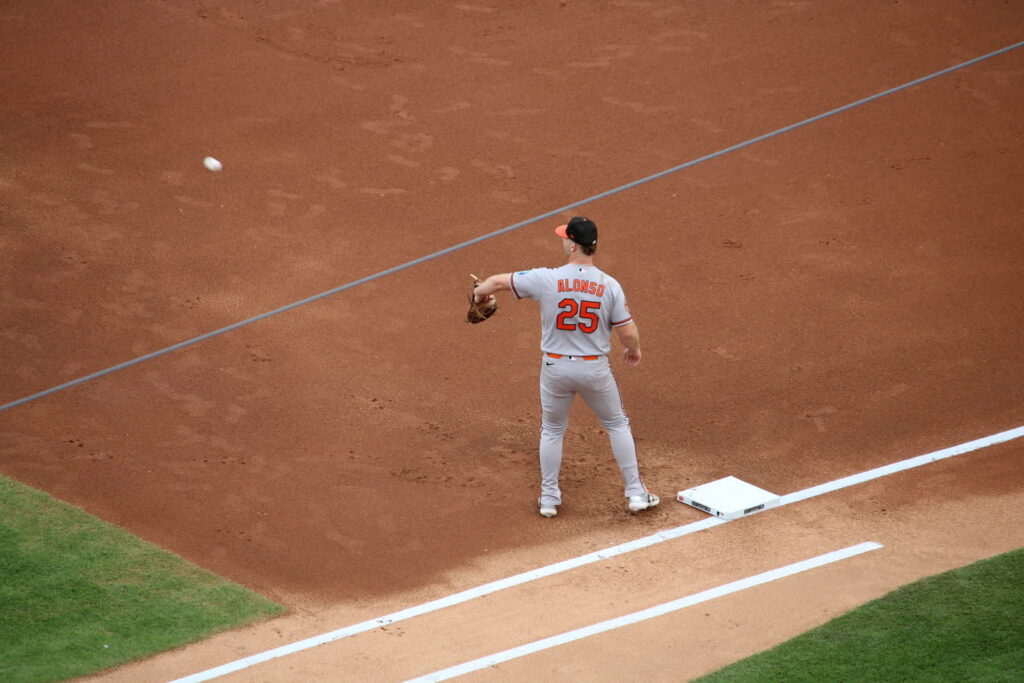
Pete Alonso’s Silver Slugger Season Was Built on More Than Home Runs
Pete Alonso won the AL Silver Slugger at first base after 43 homers for Baltimore. His rising walk rate and .363 on-base percentage complete the offensive picture.
Read Post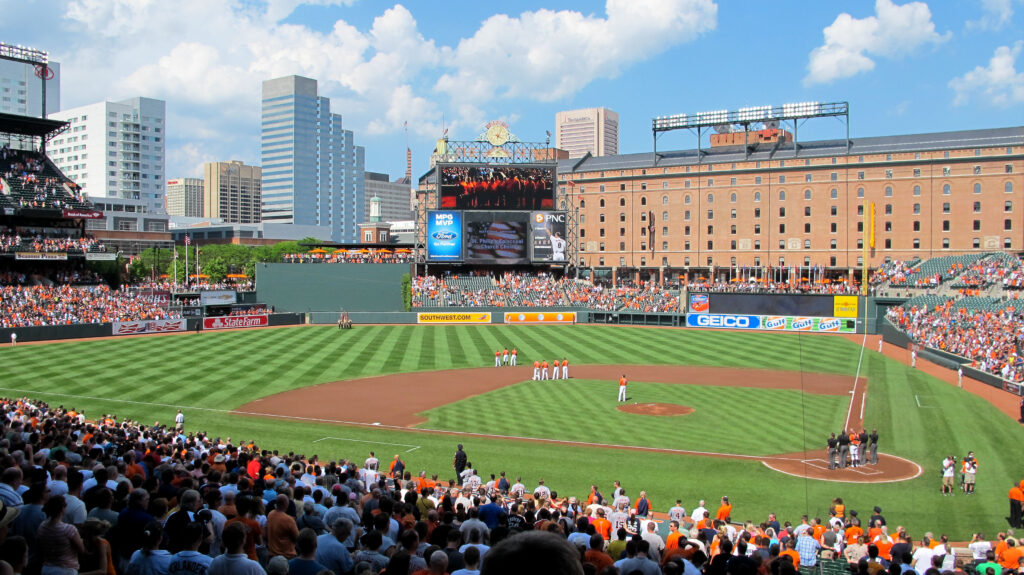
Camden Yards Renovations: What Opens in March and What Comes Later
The Orioles plan most Camden Yards upgrades for the March 29 home opener, with the Kids Zone following the All-Star break. What fans should check before visiting.
Read Post