
Blog Post
Pete Alonso’s Silver Slugger Season Was Built on More Than Home Runs
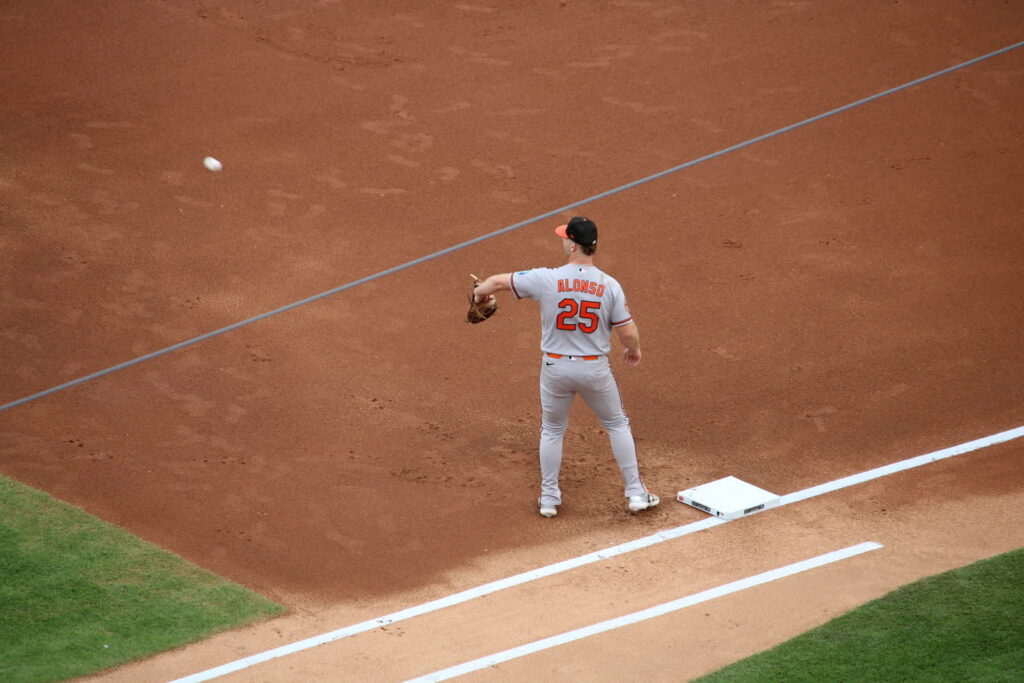
Pete Alonso’s second consecutive Silver Slugger recognizes a first Orioles season with 43 home runs. His increased walk rate helps explain why the offensive value extended beyond the power.
Pete Alonso won the American League Silver Slugger at first base Tuesday, adding an offensive honor to his first season in Baltimore. MLB’s winners list identifies it as his second award. He won the National League honor with the Mets in 2025.
Alonso’s 43 home runs are the obvious starting point. But the comparison between his last Mets season and his first Orioles season reveals another useful part of the performance: he reached base more often despite a slightly lower batting average. Baltimore received a power hitter whose walks also helped keep the offense moving.
More walks in fewer plate appearances
MLB’s official season records show Alonso drawing 81 walks in 700 plate appearances in 2026, compared with 61 in 709 appearances in 2025. That works out to an 11.6 percent walk rate, up from 8.6 percent, using all walks divided by plate appearances.
The increase was not mainly an increase in intentional walks. Those rose from five to six. Subtracting them leaves 75 other walks in 2026, compared with 56 the previous season.
Those totals describe results, not a complete explanation of his approach. Establishing why a hitter walked more would require examining pitches, counts and swing decisions. Still, the practical benefit is clear: a walk puts another runner on base without requiring a hit. For a hitter whose power already demands attention, that is another way to contribute when a plate appearance does not produce an extra-base hit.
The batting line has more than one story
Alonso hit .267/.363/.522 for Baltimore in 161 games, with 113 RBIs and 100 runs. In 2025, he hit .272/.347/.524 for New York in 162 games, with 38 home runs and 126 RBIs. His on-base percentage improved by 16 points even as his batting average fell five points. His OPS rose from .871 to .885.
The power changed shape, too. Home runs increased by five, while doubles fell from 41 to 24. His slugging percentage was almost unchanged. Looking only at the home-run increase would miss that distinction; looking only at the stable slugging percentage would miss the stronger on-base result.
RBIs moved in the opposite direction from homers, falling by 13. That is a useful reminder that counting statistics answer different questions. A hitter can hit more balls over the fence without driving in more runs overall. The season line should be read as a collection of evidence, rather than reduced to whichever number best fits an argument.
An award for the completed season
In his November 17 report, MASN’s Roch Kubatko noted that Chris Davis, in 2013, was the previous Orioles first baseman to win a Silver Slugger. Alonso’s award gives Baltimore a new entry in that history.
The honor also provides a clear endpoint for evaluating this season. It recognizes what Alonso produced in 2026. The next season will have its own results, and Baltimore’s wider roster still requires work. Our earlier analysis of Alonso and the Orioles’ lineup addressed that broader task.
For now, the award is supported by a substantial offensive record: 43 home runs, a .363 on-base percentage and nearly a full season of availability. The walks deserve a place beside the home runs in explaining it.
Sources and image credit
Research cutoff: November 18, 2026, 8 a.m. Eastern. Award: MLB winners list. Historical context: Roch Kubatko, MASN, November 17. Statistics: MLB official batting records. Walk rates and year-to-year differences are Birdland Today calculations; interpretation is analysis.
Photograph: Pete Alonso at Yankee Stadium, September 25, 2026, by J. Passepartout, via Wikimedia Commons, CC BY-SA 4.0. Resized to 1600 pixels; display cropping may apply. Image adaptations remain under the same license. Archival game photograph, not the award presentation.

Keep reading
Related Blog Posts
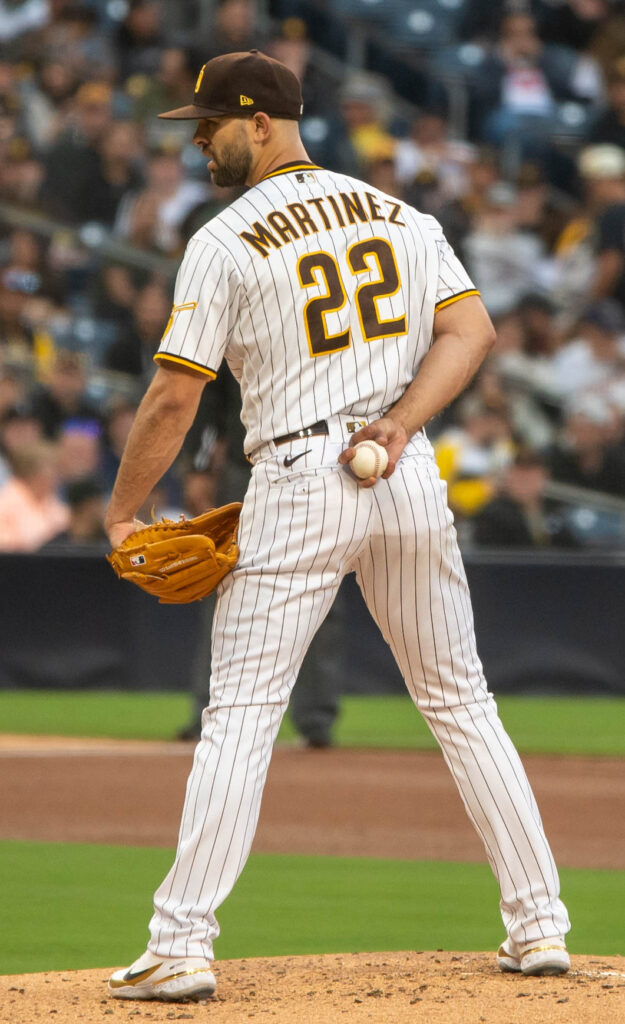
Nick Martinez’s Orioles Fit Starts With Control—and a Contact Question
Nick Martinez supplied 180 innings and a 3.10 ERA in 2026. His low walk total and limited strikeout production frame the tradeoff in a possible Orioles fit.
Read Post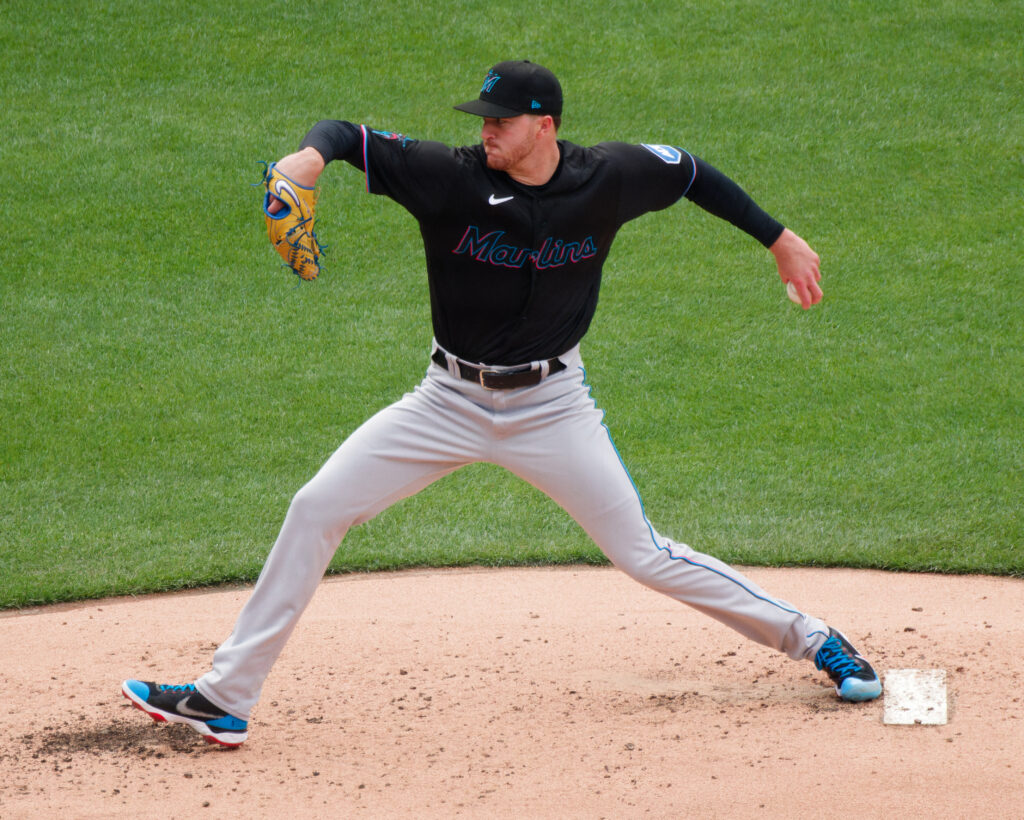
Rogers’ Decision and Seven Prospect Protections Leave Different Orioles Questions
Trevor Rogers remains a free agent as Baltimore protects seven prospects. Internal depth and major league rotation needs require different answers.
Read Post
Camden Yards Renovations: What Opens in March and What Comes Later
The Orioles plan most Camden Yards upgrades for the March 29 home opener, with the Kids Zone following the All-Star break. What fans should check before visiting.
Read Post