
Blog Post
Ryan Helsley’s Route From Oklahoma to the Orioles’ Ninth Inning
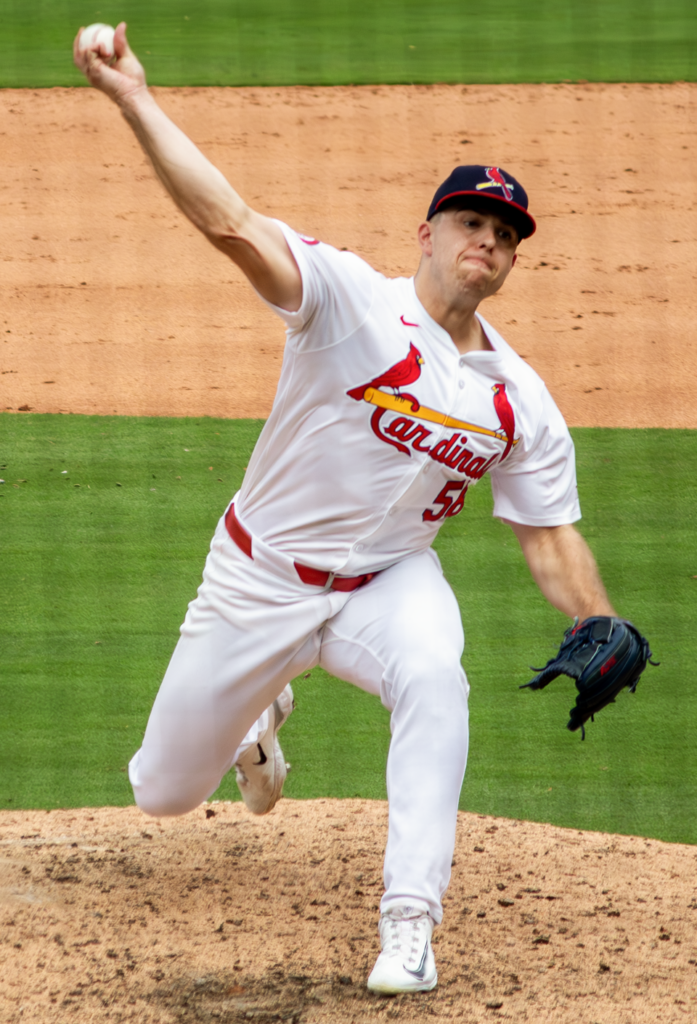
A fifth-round pick from Northeastern State became a major-league saves leader. His next chapter in Baltimore depends on turning that pedigree into sustained work.
Ryan Helsley’s career did not begin with a major college baseball brand or a guaranteed place in a big-league bullpen. It began in Oklahoma, where a college starter at Northeastern State gave professional scouts a reason to keep watching.
The right-hander’s route from Tahlequah to St. Louis, New York and Baltimore now includes both an exceptional peak and an unfinished Orioles chapter. At 32, he has a record that explains Baltimore’s investment and a recent workload that explains why his return cannot settle every bullpen question.
A starter before he became a closer
Born in Tahlequah on July 18, 1994, Helsley is a member of the Cherokee Nation. He pitched at Northeastern State in 2014 and 2015, making 21 starts among 26 appearances. The university credits him with 151 strikeouts in 126⅓ innings over those two seasons.
His final college season brought particular attention. Northeastern State’s draft announcement reported that he ranked fifth nationally in Division II in strikeouts per nine innings. St. Louis selected him in the fifth round of the 2015 draft, 161st overall, making him the school’s first baseball draft pick since 2009. The MIAA inducted him into its Hall of Fame in 2025.
That background matters because it shows the distance between being a promising college arm and becoming an established closer. His eventual job was not his original identity. The Cardinals developed him through their system before his major-league debut on April 16, 2019.
The seasons that established his value
By 2022, Helsley was delivering elite major-league results. He posted a 1.25 ERA, struck out 94 hitters in 64⅔ innings and held opponents to a .128 batting average. Those measures describe more than a pitcher who happened to receive save opportunities: he was preventing hits and overwhelming hitters.
In 2024, he combined a 2.04 ERA with 49 saves across 65 appearances. He led the majors in saves, earned another All-Star selection and won the National League’s Trevor Hoffman reliever award.
Saves depend partly on opportunity, so the total alone cannot carry an evaluation. His workload and run prevention reinforce it. That season supplied a concrete example of a pitcher repeatedly handling late innings, rather than merely possessing the velocity associated with that assignment.
The next year complicated the picture. Helsley had a 3.00 ERA with the Cardinals before moving to the Mets during the season. His ERA in 22 New York appearances was 7.20; his combined 2025 mark was 4.50. Baltimore’s eventual bet therefore involved both an established ceiling and a recent stretch of poor results.
An Orioles chapter still taking shape
Baltimore signed Helsley in December 2025 to a two-year contract worth a reported $28 million, with an opportunity to return to free agency after the first season. The Orioles needed late-inning help while Félix Bautista recovered from shoulder surgery.
Helsley’s first Baltimore season produced only 17 appearances and 15⅓ innings. He recorded eight saves with a 4.11 ERA, 21 strikeouts and nine walks. The ability to miss bats remained visible in the limited sample; the walks and lack of innings prevented that from becoming a productive full season.
MASN reported that right elbow inflammation sent him to the injured list twice, and he did not pitch in the majors after June 27. A September rehabilitation attempt did not bring him back to Baltimore’s active roster before the season ended.
Late-October reporting established his decision to exercise the $14 million player option for 2027. His return preserves an experienced option. It does not establish how frequently he can pitch, how the club should handle consecutive days or which reliever should receive every ninth inning.
The strongest case for Helsley is grounded in what he has already accomplished. The strongest reason for building alternatives is grounded in how little he pitched in 2026. Baltimore can acknowledge both without dismissing his past or treating it as a promise.
Regular work and recovery should come first in evaluating his spring. Strike throwing comes next. If the pitcher who dominated in St. Louis reappears, he can help change the shape of the Orioles’ late innings. The roster still needs enough support that his comeback can proceed without every outing carrying the entire bullpen plan.
Sources: MiLB player biography; Northeastern State career record; 2015 draft announcement; MIAA Hall of Fame; MLB career pitching statistics; MASN signing report; MASN option and injury report.
Photograph: Ryan Helsley pitching for St. Louis at Busch Stadium in 2024. Johnmaxmena2, via Wikimedia Commons, CC BY 4.0. Resized for display. Archival Cardinals image.

Keep reading
Related Blog Posts
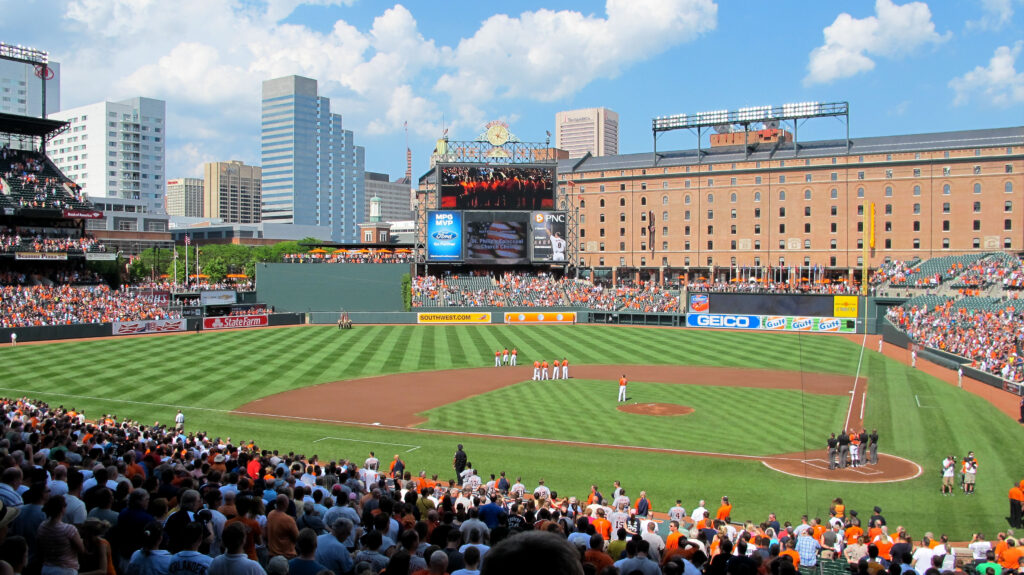
Orioles’ 2027 Ticket Sale: Key Dates and a Practical Planning Guide
The Orioles’ public sale starts November 19, with Opening Day handled separately. A guide to checking game dates, giveaways and special-package details.
Read Post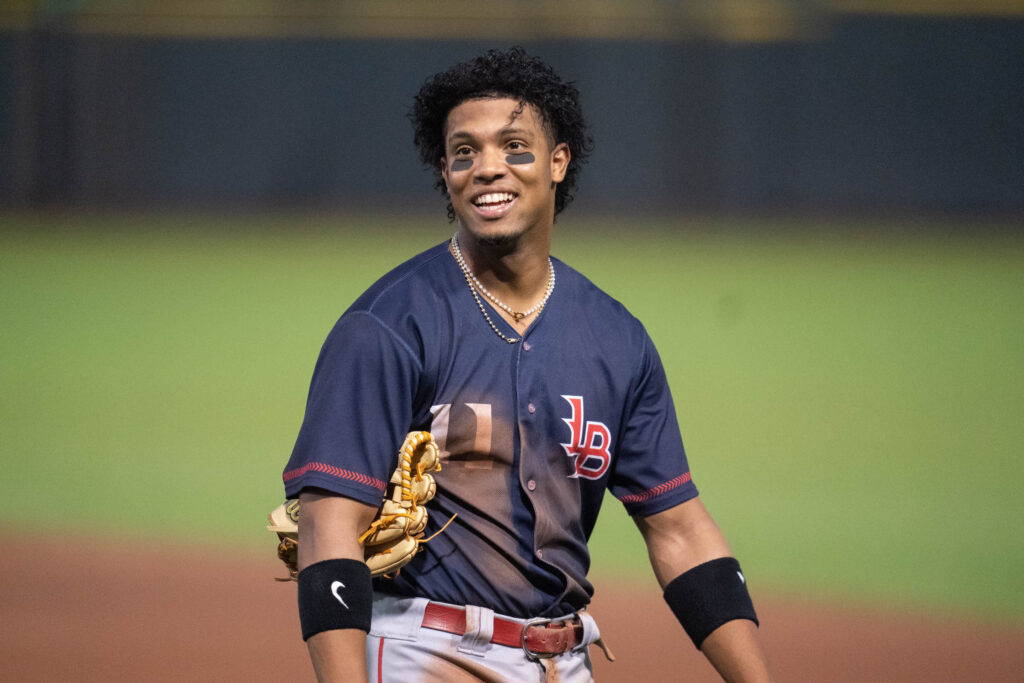
Orioles Retain José Barrero on a 2027 Minor League Deal
José Barrero returns on a 2027 minor league agreement after hitting 23 home runs for Norfolk. His recent record frames the opportunity and the offensive challenge.
Read Post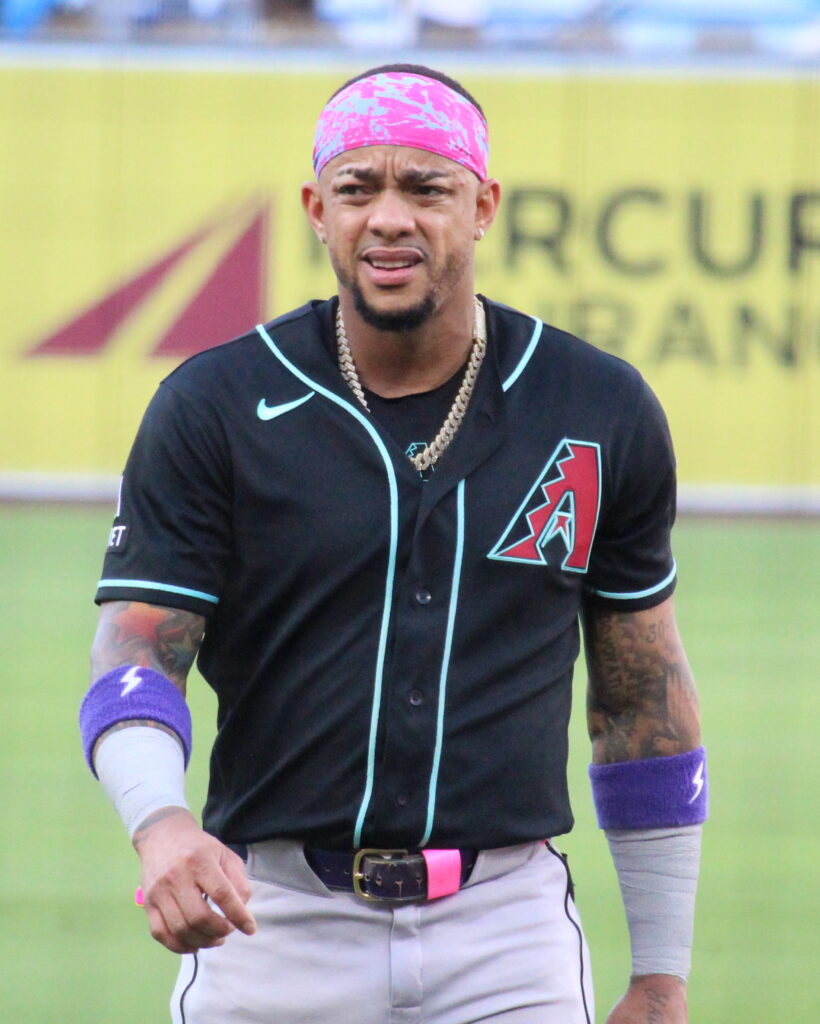
Ketel Marte Would Require a Complete Orioles Roster Plan
Ketel Marte’s 2024–26 batting record frames the upside and uncertainty in a potential Orioles fit, including the defensive plan and acquisition cost.
Read Post