
Blog Post
For Orioles Pitching Prospects, the Bullpen Need Not Be the Destination
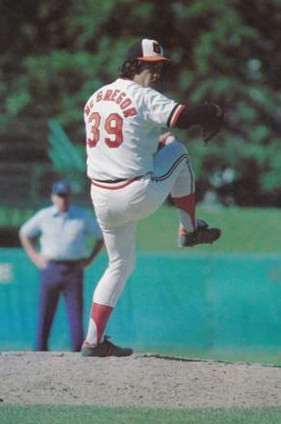
Baltimore’s pitching history offers a useful distinction for its next wave of prospects: working in relief and becoming a reliever are different decisions.
A young Orioles starter reaches Baltimore, takes a seat in the bullpen and begins getting major league hitters out. It is tempting to read that assignment as a verdict on his future. The club’s own history gives a reason to wait.
Scott McGregor, Mike Flanagan, Dennis Martínez and Storm Davis all had early Baltimore seasons that mixed starts with substantial relief work. Each moved into a much larger starting role the following year. Their records do not prescribe a development plan for today’s prospects. They do show why the first major league assignment need not define the career.
The question has current relevance. In his November 15 MASN mailbag, Roch Kubatko wrote that the Orioles would continue developing Luis De León, Joseph Dzierwa and Caden Hunter as starters, even if major league needs brought relief assignments. Kubatko also described a return to Norfolk’s rotation for De León if he does not make Baltimore’s team in spring training. Those are reported development expectations, not announced 2027 roster decisions.
The assignment changed; the starting option survived
MLB’s official season records make the older transitions clear. In 1977, McGregor appeared in 29 games but started only five. He still accumulated 114 innings. In 1978, he made 32 starts, threw 233 innings and finished with a 3.32 ERA.
Flanagan’s 1976 season divided evenly between 10 starts and 10 relief appearances, covering 85 innings. A year later, he started 33 games and pitched 235 innings with a 3.64 ERA.
Martínez made 13 starts in 42 appearances in 1977, throwing 166⅔ innings. The following season brought 38 starts and 276⅓ innings. Davis followed another version of the pattern: eight starts in 29 appearances in 1982, then 29 starts and 200⅓ innings in 1983.
The workload totals matter as much as the job labels. These were not simply brief introductions consisting of a handful of one-inning appearances. The pitchers were accumulating substantial innings while their roles evolved. McGregor’s 24 relief appearances in 1977, for instance, coexisted with a season total well above 100 innings.
A precedent is not a modern workload target
It would be a mistake to take those totals as instructions for the next Orioles pitching prospect. A historical sequence establishes what happened. It does not establish that the bullpen caused the subsequent success, or that repeating the sequence would produce the same result.
That distinction should shape how Baltimore evaluates a temporary relief assignment. The useful questions are specific: Will the pitcher keep using the pitches he needs to start? Can he maintain the command required to work through a lineup? What innings and recovery plan will leave him prepared for his next assignment?
A short outing can give a pitcher valuable work against major league hitters. It cannot, by itself, answer whether he can sustain an entire start. Likewise, several effective relief appearances should not automatically erase the starting opportunity that the organization has been developing.
This is also a different question from Baltimore’s planning for the ninth inning. Using a prospect to cover innings and choosing a late-game specialist serve different immediate purposes. The club needs a clear plan for each, even when both decisions involve the same bullpen.
For fans, the practical standard is to watch the development plan as closely as the transaction. An assignment tells us where a pitcher will work next. McGregor and his contemporaries are reminders that it need not tell us where he will work forever.
Sources and image credit
Research cutoff: November 15, 2026, morning Eastern time. Current development context: Roch Kubatko, MASN, November 15. Historical statistics: MLB’s official year-by-year pitching records for Scott McGregor, Mike Flanagan, Dennis Martínez and Storm Davis. Development recommendations are Birdland Today’s analysis.
Photograph: Scott McGregor, 1977; unknown photographer, Baltimore Orioles photo album, via Wikimedia Commons. Public domain in the United States, published without copyright notice according to the source. Archival image; no modifications other than display sizing.

Keep reading
Related Blog Posts
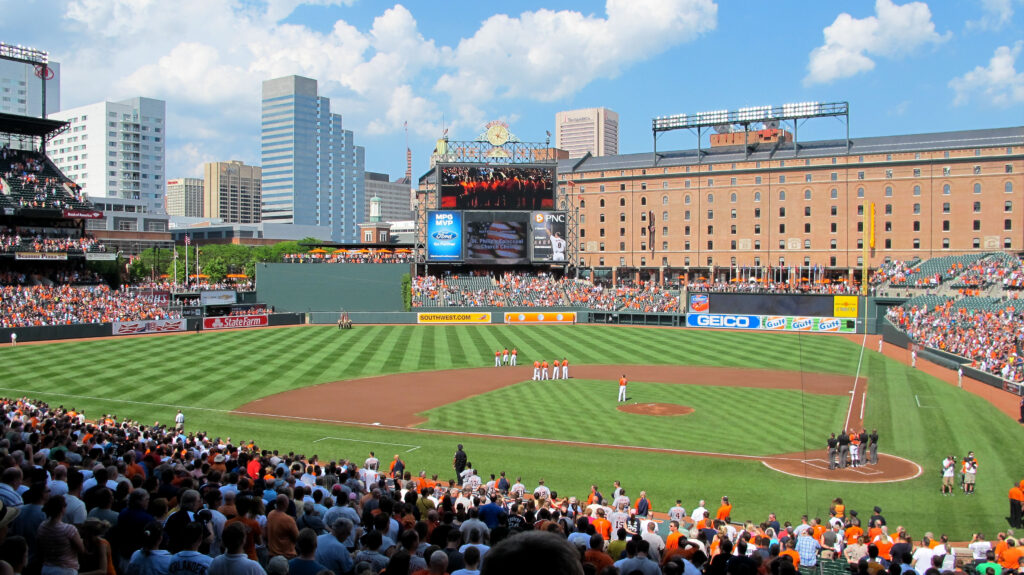
Orioles’ 2027 Ticket Sale: Key Dates and a Practical Planning Guide
The Orioles’ public sale starts November 19, with Opening Day handled separately. A guide to checking game dates, giveaways and special-package details.
Read Post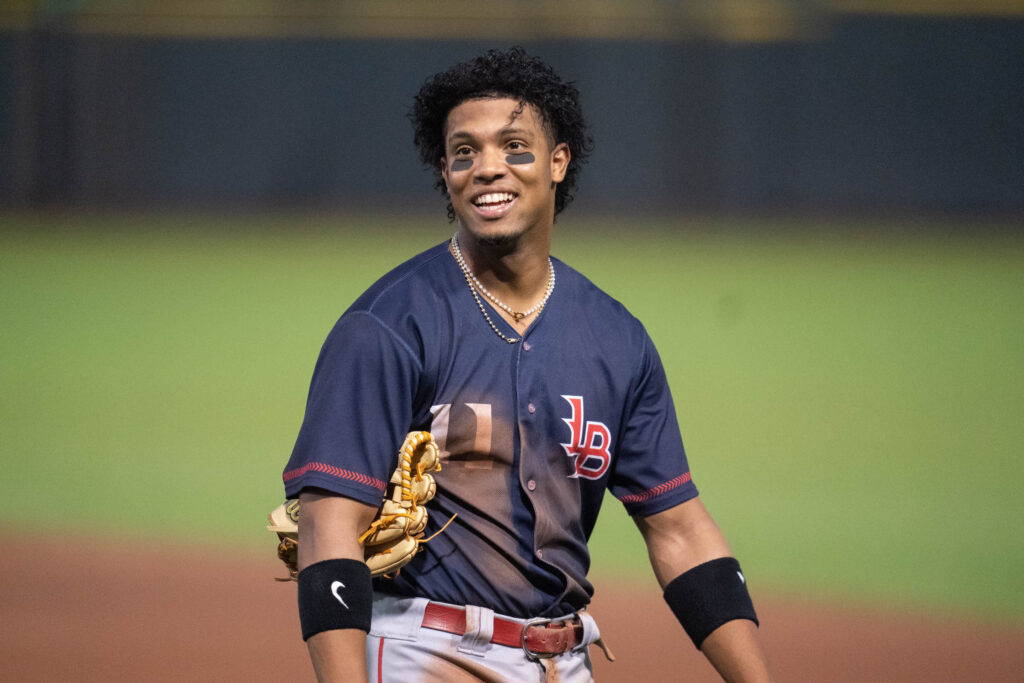
Orioles Retain José Barrero on a 2027 Minor League Deal
José Barrero returns on a 2027 minor league agreement after hitting 23 home runs for Norfolk. His recent record frames the opportunity and the offensive challenge.
Read Post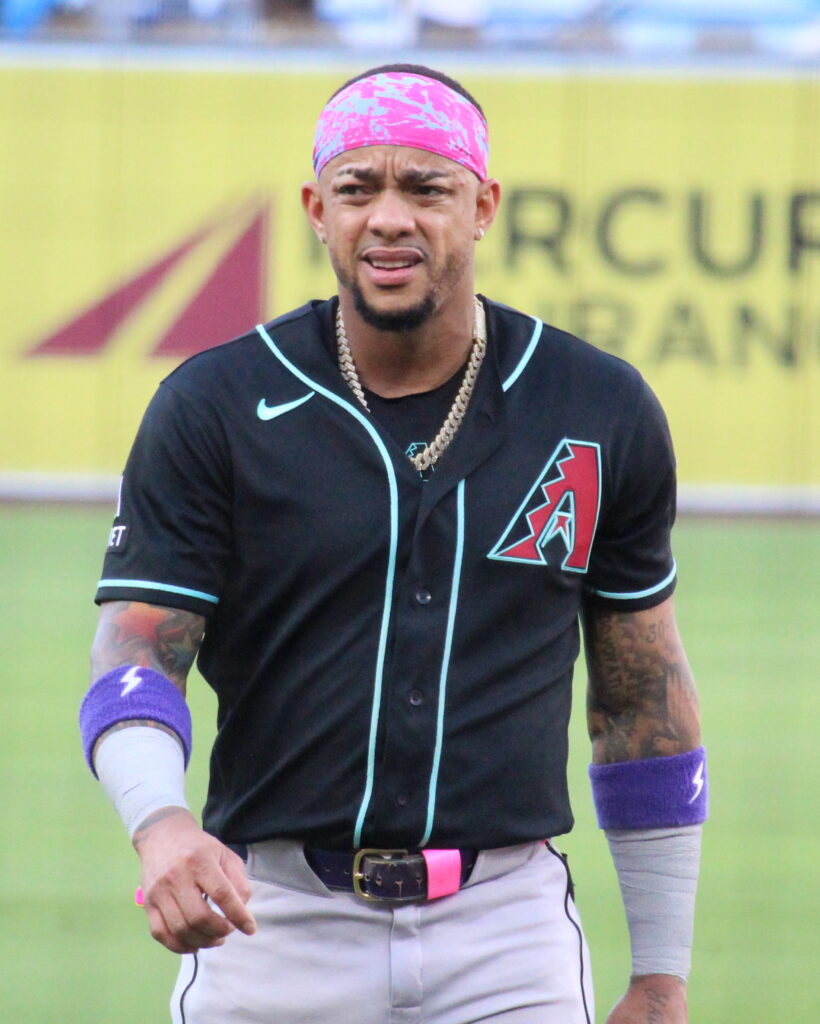
Ketel Marte Would Require a Complete Orioles Roster Plan
Ketel Marte’s 2024–26 batting record frames the upside and uncertainty in a potential Orioles fit, including the defensive plan and acquisition cost.
Read Post